Gold prices are approaching the $5,000 level as geopolitical tensions in the Middle East intensify, sending oil prices higher and triggering a surge in demand for traditional safe-haven assets.
The precious metal has been rallying amid a combination of geopolitical risk, energy market volatility, and uncertainty in global financial markets.
Gold historically performs strongly during periods of geopolitical instability, as investors seek assets perceived as stable stores of value.
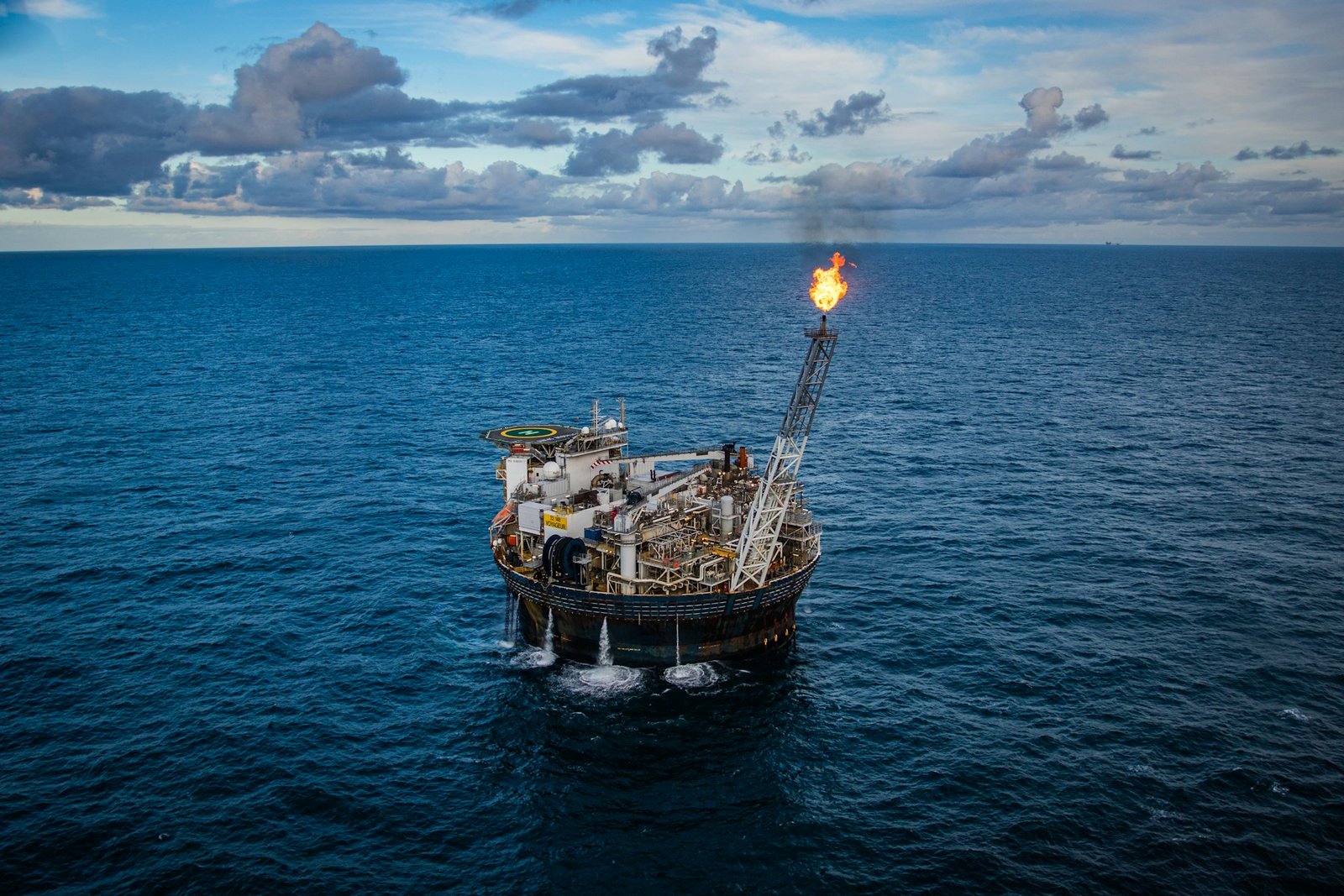
Oil prices fueling inflation concerns
Escalating tensions in the Middle East have raised fears of supply disruptions in global oil markets. Rising crude prices can increase inflationary pressures worldwide, which often strengthens gold’s appeal as an inflation hedge.
Higher oil prices also contribute to broader macroeconomic uncertainty, reinforcing gold’s role as a defensive investment.
Central bank demand adds momentum
Central banks have also played a significant role in supporting gold prices. In recent years, many monetary authorities have increased their gold reserves as part of broader diversification strategies away from traditional reserve currencies.
Market outlook
While the $5,000 threshold represents a psychological milestone for markets, analysts caution that gold prices remain highly sensitive to developments in global conflicts, monetary policy signals, and currency fluctuations.
Sources
- World Gold Council
- International Energy Agency
- Federal Reserve