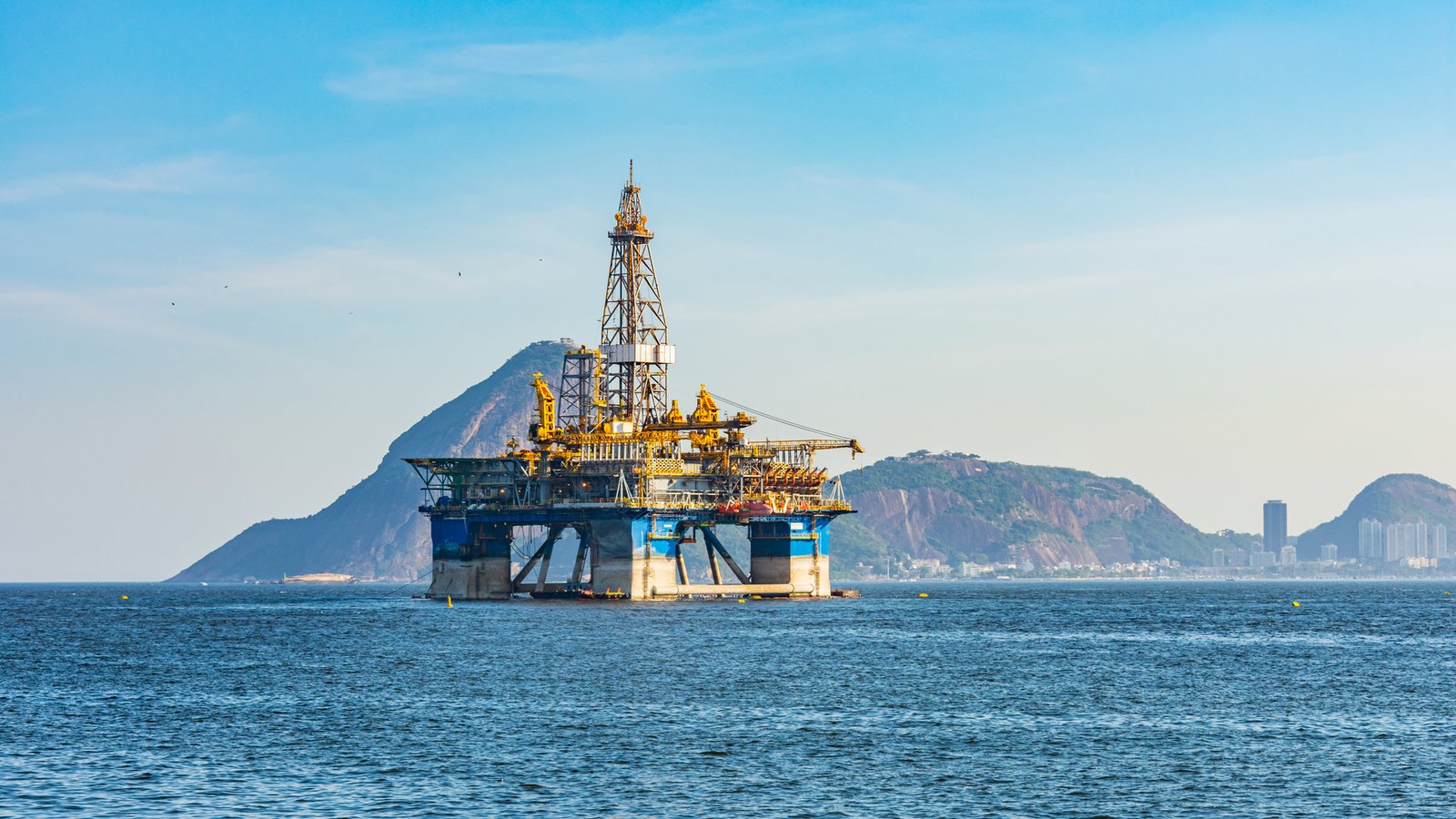

WTI Crude Oil futures climbed above $96 per barrel in volatile trading on Monday, as the strategic Strait of Hormuz remained effectively closed, exacerbating supply concerns across global energy markets.
The disruption follows a breakdown in diplomatic efforts between the United States and Iran. President Donald Trump instructed negotiators to suspend peace discussions, while Iranian President Masoud Pezeshkian reiterated that Tehran would not participate in what he described as “imposed negotiations under threats or blockade.”
Now entering its ninth week, the conflict has triggered what the International Energy Agency has characterized as the largest energy supply shock on record. The prolonged disruption is intensifying inflationary pressures globally and adding downside risks to the already fragile outlook for economic growth.
The Strait of Hormuz, a critical artery for global oil flows, handles a significant share of the world’s crude exports. Its effective closure has raised fears of sustained supply constraints, with ripple effects across fuel prices, transportation costs, and broader financial markets.
Amid escalating tensions, reports indicate that Iran has submitted a new proposal to Washington aimed at reopening the strait and de-escalating the crisis. The proposal, reportedly conveyed through Pakistani mediators, includes extending the current ceasefire framework to allow progress toward a broader agreement, while postponing nuclear negotiations until the U.S. lifts its blockade of the waterway.
While markets remain highly sensitive to geopolitical developments, the trajectory of oil prices is likely to depend on whether diplomatic channels can be reestablished and whether supply routes through the Gulf are restored in the near term.