
Growth in the non-oil private sector in the United Arab Emirates weakened in April, with the headline PMI falling to 52.1 from 52.9 in March, according to data from S&P Global.
The reading signals the slowest improvement in operating conditions since February 2021, as momentum across the sector continues to moderate.
Demand Softens Amid Weaker Spending and Tourism
New orders expanded at the slowest pace in more than five years, reflecting reduced customer spending and softer tourism activity. Export orders declined sharply, marking one of the steepest contractions outside the pandemic period.
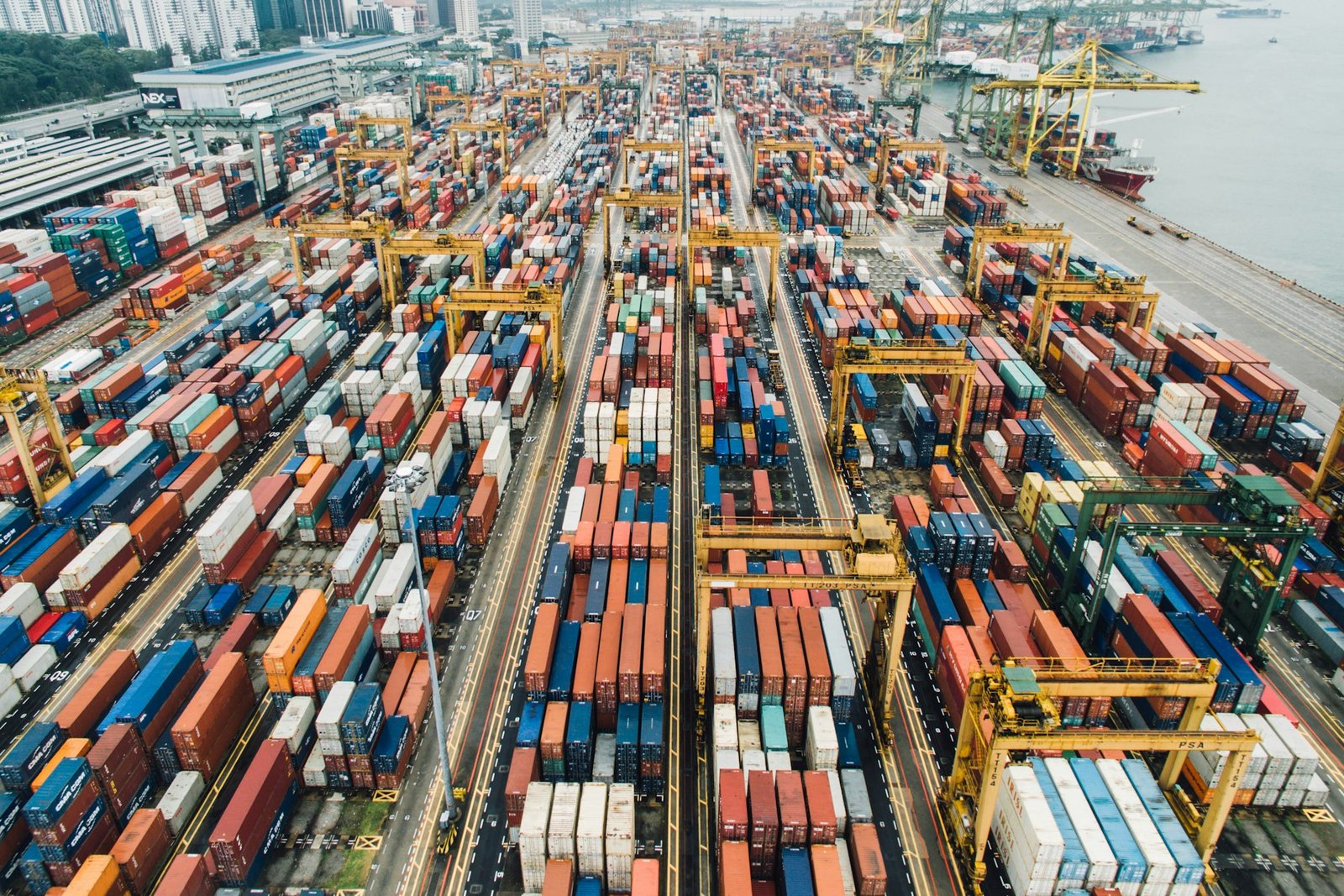
The drop was partly attributed to shipping disruptions in the Middle East and restrictions around the Strait of Hormuz, a key route for global trade flows.
Output Holds, Supported by Ongoing Projects
Despite weaker demand conditions, output growth remained solid, supported by ongoing infrastructure and project activity across the country.
This divergence highlights the role of government-linked and long-term investments in sustaining economic activity, even as private demand shows signs of cooling.
Cost Pressures Intensify
Input cost inflation accelerated to its strongest level since mid-2024, driven by rising oil prices and higher transportation costs.
In response, firms sharply increased selling prices, with output price inflation rising at the fastest pace since 2011, as businesses sought to protect margins amid rising expenses and supply chain disruptions.
Hiring Growth Slows
Employment growth also moderated, as hiring activity slowed in line with softer demand. At the same time, wage inflation eased, suggesting a more cautious approach from companies navigating a more challenging operating environment.
Outlook
The latest data points to a more fragile growth trajectory for the UAE’s non-oil economy, with demand-side weakness and rising costs emerging as key headwinds in the near term.