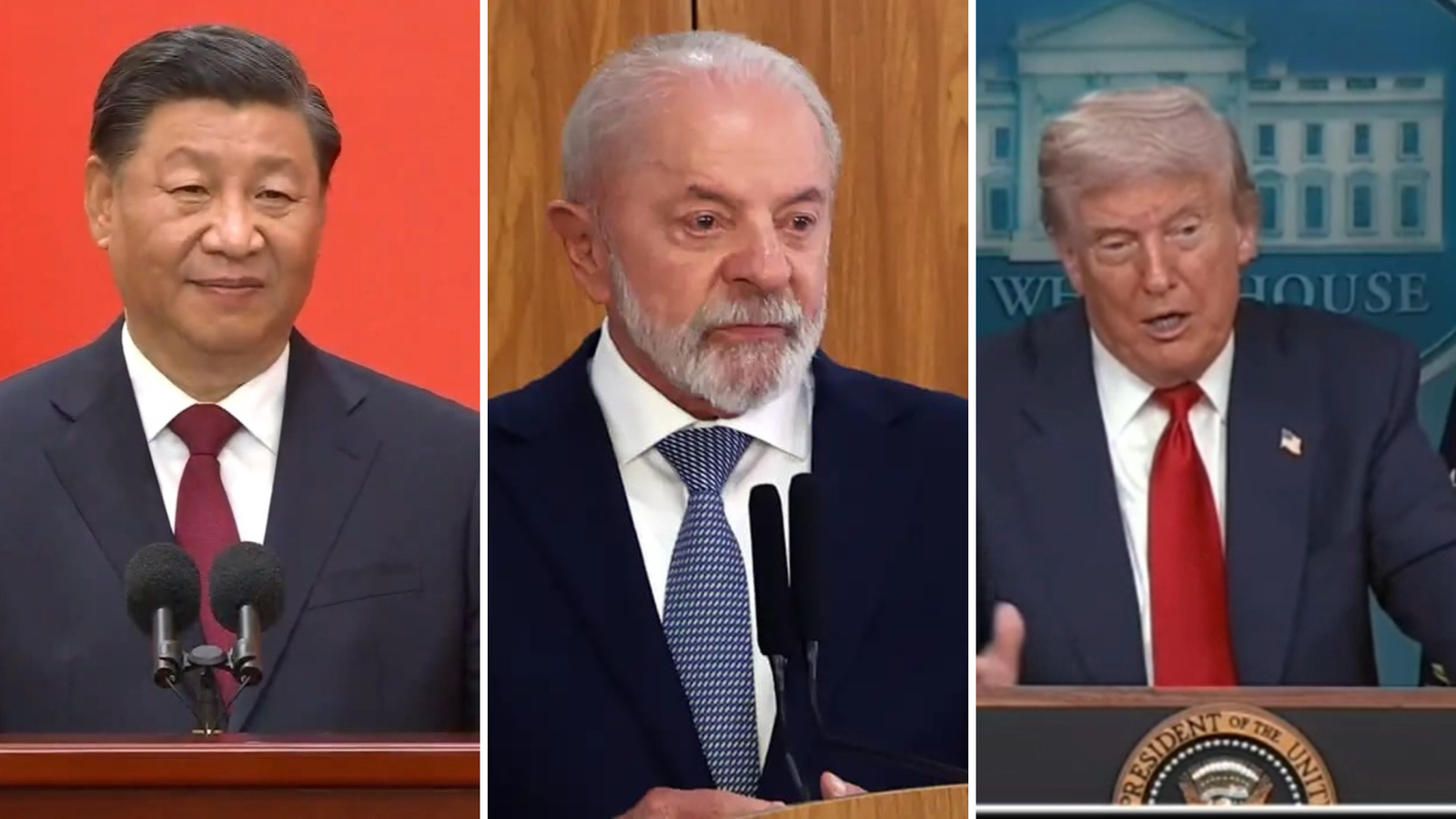
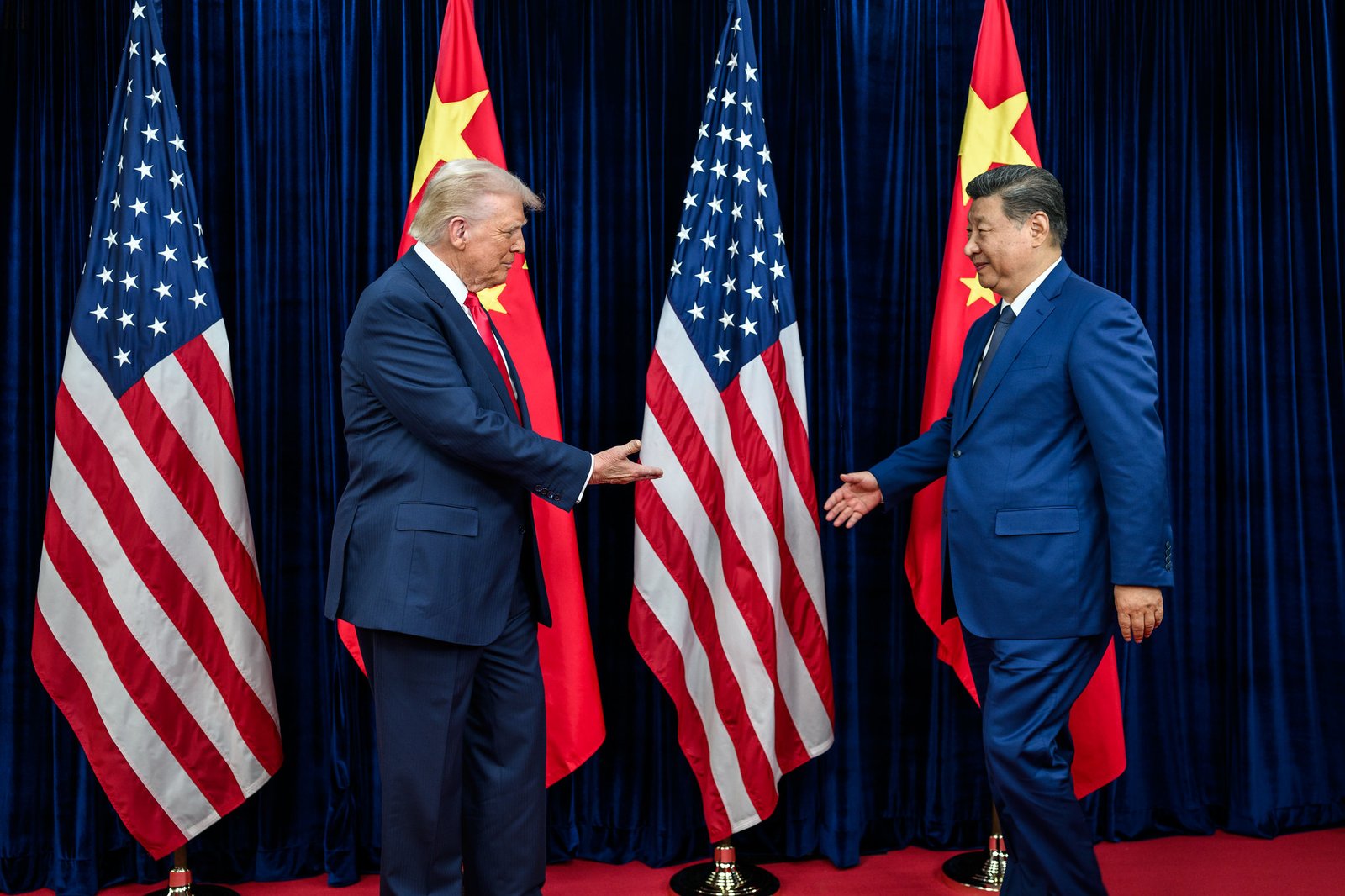
The sweeping tariffs imposed by the Trump administration are producing the opposite effect of what was intended, according to market analysts and official data. The 50% import tax on key products such as Brazilian coffee, Indian tea, and seafood is redirecting trade flows to China and Europe, while simultaneously putting pressure on U.S. manufacturers and consumers with rising costs.
Brazil Turns to China
Hit by steep tariffs, Brazil — the world’s largest coffee exporter — has seen more than 180 companies register to ship their products to China, where demand for specialty coffee is booming. This shift threatens to reduce supply for the U.S. market and is already being felt in coffee shops and distribution chains across the country.
India Diversifies Export Markets
Indian exporters of tea and seafood, also facing 50% tariffs and additional penalties tied to New Delhi’s energy trade with Moscow, are redirecting part of their production to China and the European Union. While this move strengthens Asia’s integration with new consumer hubs, it also intensifies competition with African producers.
Impact on the United States
The ISM Manufacturing PMI fell to 48.7 in August, marking the sixth consecutive month of contraction in the U.S. industrial sector.
Executives across food, electronics, and machinery industries report higher costs, layoffs, and delays in reshoring projects.
Coffee shops in cities like New York have already reported price hikes of up to 14.5% for consumers, signaling that the effects are reaching households directly.
Statements
“These tariffs were meant to protect jobs, but instead they are suffocating industry and making products more expensive for Americans,” said one U.S. manufacturing executive.
“With Brazil and India turning to China, the U.S. risks losing key suppliers in strategic markets,” added a trade analyst.
The situation underscores a boomerang effect of the tariff policy: instead of strengthening the U.S. economy, the measures are fueling new trade flows between Brazil, India, China, and Europe — while America faces rising consumer prices, shrinking competitiveness, and an ongoing industrial downturn.