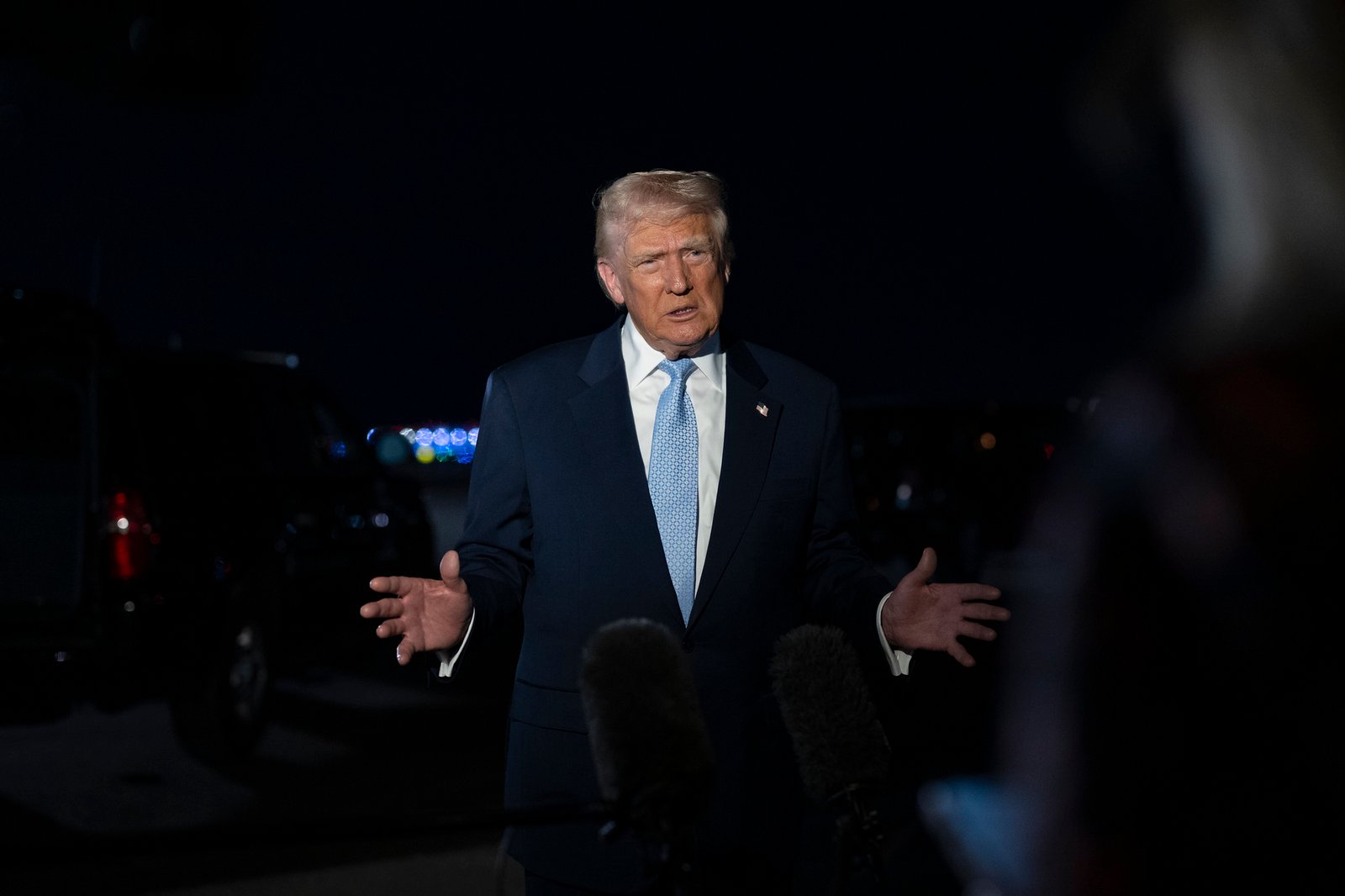
U.S. President Donald Trump called for an urgent “de-escalation” in the Middle East after a sharp escalation between Israel and Iran sent global energy markets into turmoil.
The appeal comes as oil prices surged toward the $120 per barrel mark, intensifying concerns over a broader energy shock with global economic implications.
Energy Infrastructure Attacks Trigger Market Shock
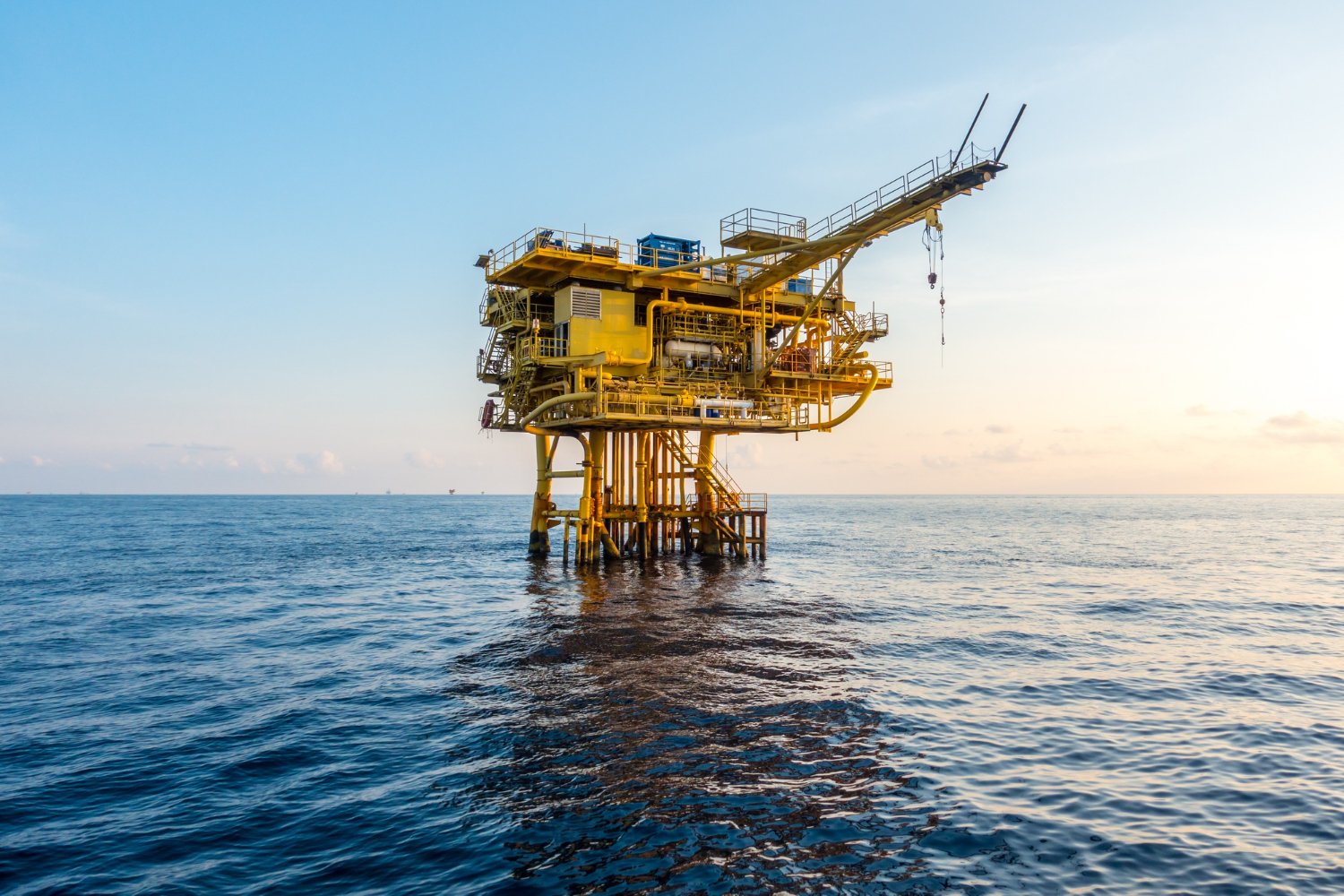
The latest spike in energy prices follows a series of retaliatory strikes targeting critical infrastructure in the Persian Gulf.
Israel reportedly attacked Iran’s South Pars gas field, one of the largest natural gas reserves in the world. In response, Iran struck a major liquefied natural gas facility in Qatar, escalating fears of disruption across global supply chains.
According to Bloomberg, benchmark Brent crude reached $116, while European natural gas prices jumped by approximately 20%, reflecting immediate concerns over supply constraints.
Global Ripple Effects: Fuel Prices Climb
The geopolitical shock is already translating into higher costs for consumers.
In the United States, gasoline prices climbed to $3.88 per gallon, according to AAA data, signaling that the impact of the conflict is rapidly being felt at the pump.
Coverage from The Wall Street Journal highlights that markets are reacting not only to current disruptions but also to the risk of further escalation that could impact shipping routes and energy exports across the region.
Escalation Risks and “Uncontrollable Consequences”
Iran warned of “uncontrollable consequences” for global energy markets if hostilities continue, raising the stakes for international diplomacy.
The situation remains highly volatile, with investors closely monitoring whether attacks could expand to other strategic assets, including oil transit chokepoints such as the Strait of Hormuz.
As reported by The New York Times, policymakers and global leaders are increasingly concerned that continued escalation could trigger a prolonged supply shock with far-reaching economic consequences.
Trump’s Position: Contain the Crisis
President Trump’s call for de-escalation underscores the urgency of stabilizing the region to prevent further disruption to energy markets.
His statement reflects growing pressure on global leaders to intervene diplomatically and avoid a broader conflict that could destabilize both energy supply and financial markets.