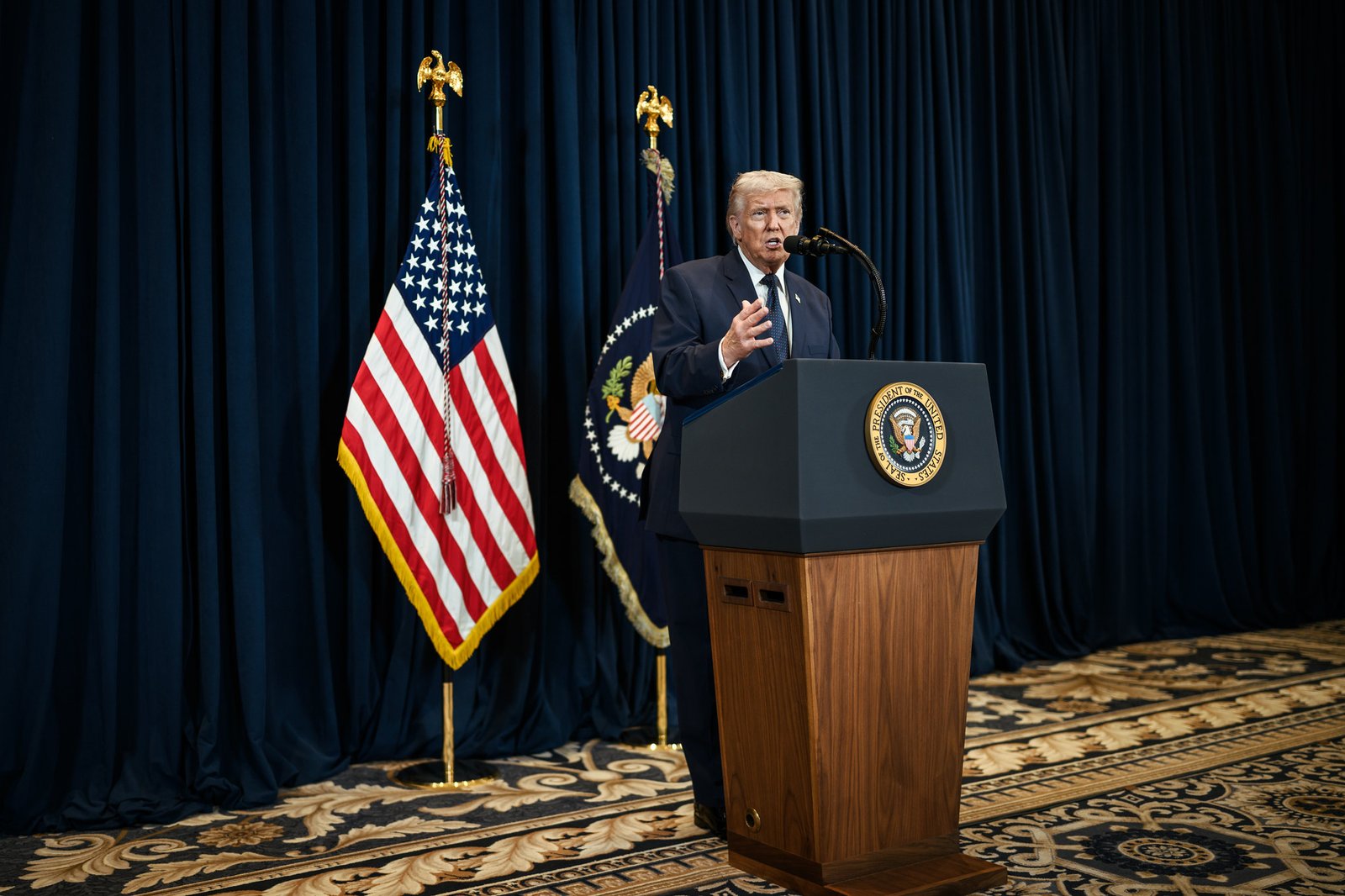
Donald Trump will travel to Beijing on May 14–15 for a high-level summit with Xi Jinping, according to confirmation from the White House.
The long-anticipated meeting had originally been scheduled to begin on March 31 but was postponed amid escalating geopolitical tensions linked to the ongoing U.S.–Iran conflict.
Strategic Delay Amid Global Tensions
White House spokesperson Karoline Leavitt described the upcoming summit as “long-awaited,” emphasizing that the rescheduling was driven by operational priorities rather than diplomatic setbacks.
According to the administration, the delay was not contingent on resolving the conflict in the Middle East. Instead, it reflected the need for President Trump to remain in the United States during ongoing “combat operations,” a position reportedly understood and accommodated by President Xi.
High-Stakes U.S.–China Engagement
The May summit is expected to serve as a critical moment in U.S.–China relations, as both global powers navigate a complex landscape shaped by geopolitical tensions, trade considerations, and technological competition.
Key topics likely to be addressed include:
- Bilateral trade and economic cooperation
- Strategic competition in technology and supply chains
- Geopolitical stability and global security dynamics
The meeting signals a renewed effort to maintain high-level dialogue between Washington and Beijing despite increasing global uncertainty.
Diplomatic Continuity and Future Engagements
In addition to the Beijing summit, the White House confirmed that President Trump and Melania Trump are expected to host President Xi and his wife in Washington later this year—further reinforcing ongoing diplomatic engagement between the two nations.
Capital Markets and Global Implications
For global investors, the rescheduled meeting carries significant implications. U.S.–China relations remain a central driver of market sentiment, influencing trade flows, supply chains, and cross-border capital allocation.
The timing of the summit—amid heightened geopolitical volatility—underscores a broader reality: diplomacy and capital markets are increasingly interconnected, with political developments shaping economic expectations and investment strategies worldwide.