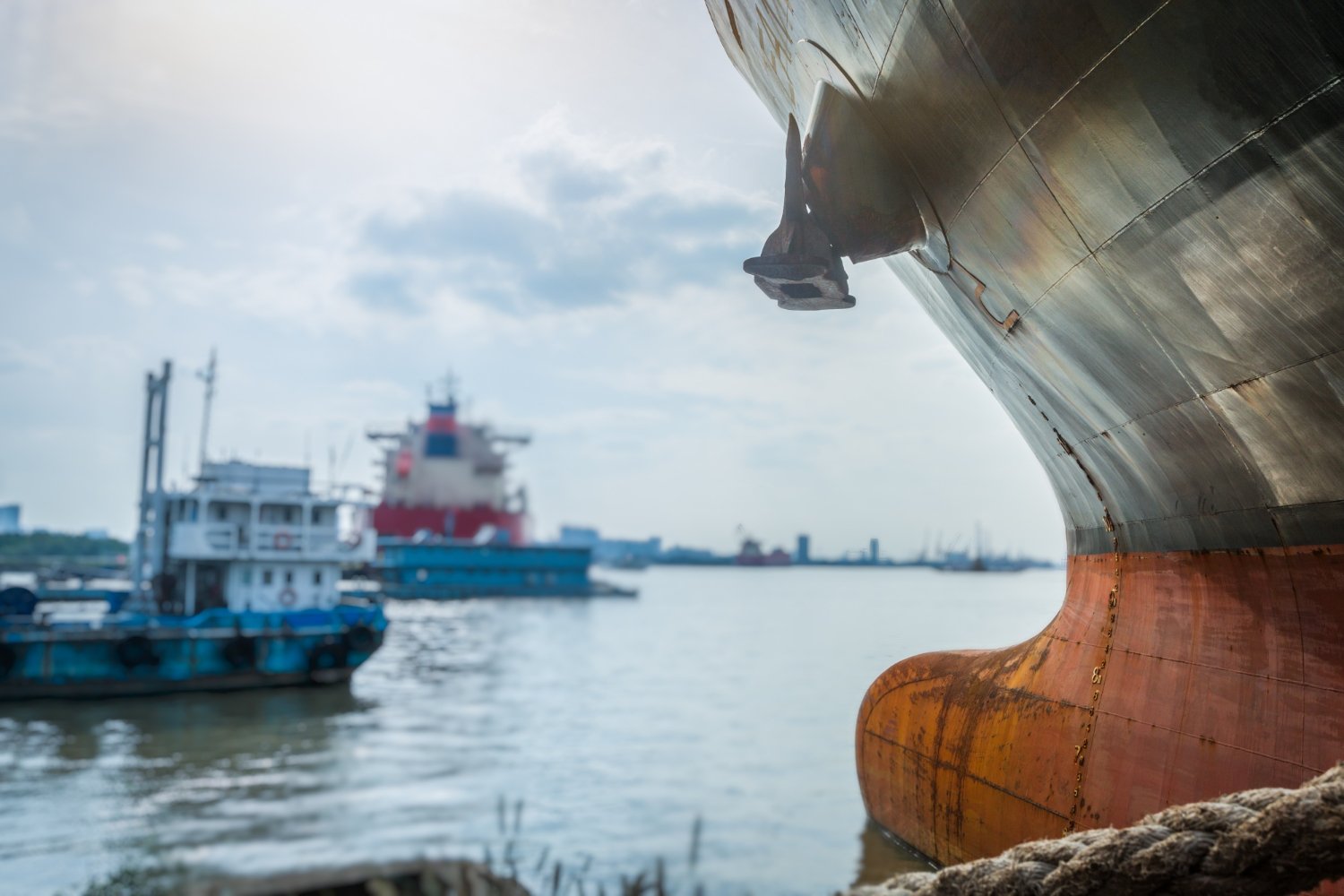
The administration of President Donald Trump is under increasing scrutiny after new details surfaced regarding a military strike conducted in September against a boat suspected of drug trafficking in the Caribbean. The action, initially justified by the White House as an act of “legitimate self-defense,” has sparked criticism from former national security officials, human rights groups, and international observers who warn that the operation may raise concerns under international humanitarian law.
During a press briefing on Monday, senior officials reiterated that the strike complied with U.S. rules of engagement and was necessary to protect American personnel. However, analysts say the lack of publicly disclosed evidence continues to fuel questions about the proportionality of the attack and whether the suspected vessel posed an imminent threat.
International reaction intensified after European and Latin American commentators described the episode as “legally ambiguous” and potentially damaging to U.S. credibility abroad. Diplomatic sources also noted that the incident has complicated ongoing discussions with regional partners on counter-narcotics cooperation and maritime security.
Security experts point out that the administration now faces a dual challenge: defending the legality of the strike while addressing the broader geopolitical implications.
“If the intelligence was solid, the government needs to release enough information to justify the action,” said one former Pentagon official quoted by international outlets.
The incident comes at a moment of heightened sensitivity in U.S. foreign policy, as tensions grow across the Caribbean and Washington seeks to reinforce its leadership on regional security initiatives.
The White House, for now, maintains its position and has signaled that further disclosures may be limited due to national security considerations.