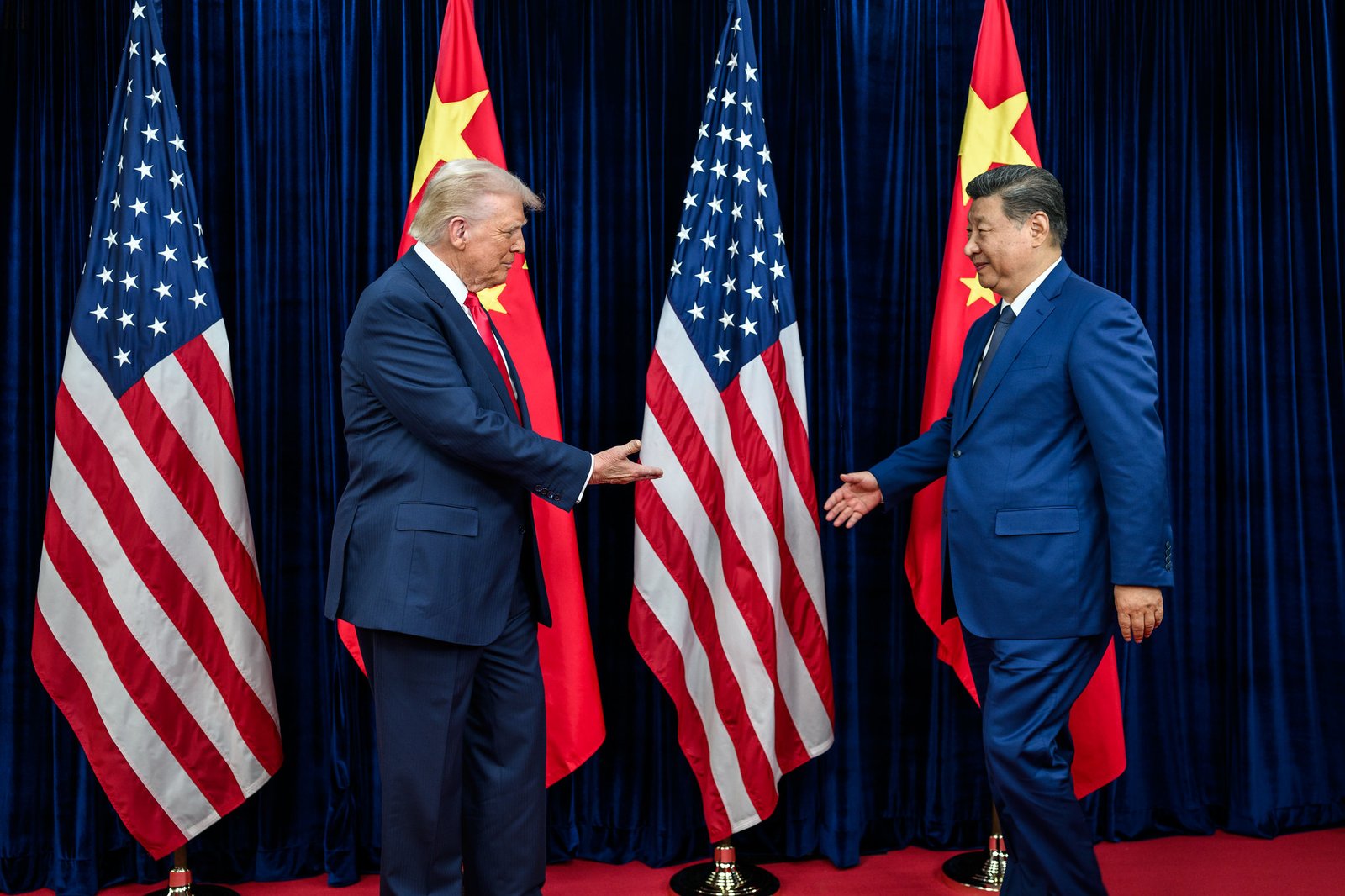
indicated plans to withdraw from existing agreements following a major legal setback to President Donald Trump’s tariff strategy.
The statement comes days after the Supreme Court of the United States invalidated a broad portion of the administration’s tariff framework, ruling that earlier duties imposed under emergency economic authority exceeded statutory limits.
Temporary Tariffs Reintroduced
In response to the ruling, President Trump announced a temporary 10% across-the-board tariff on Friday. Within 24 hours, the levy was raised to 15% — the maximum rate allowed under the specific statute being invoked.
The White House simultaneously launched new trade investigations under alternative legal authorities, signaling that additional tariff actions could follow in the coming months.
According to officials familiar with the matter, these investigations may target multiple trading partners and specific sectors deemed critical to U.S. economic security.
Greer emphasized that, despite legal turbulence, “no formal communications have been received from trade counterparts suggesting withdrawal from existing agreements.”
EU Signals Retaliation Options
Across the Atlantic, tensions are mounting.
Nicolas Forissier, France’s trade minister, told the Financial Times that the European Union possesses “the necessary tools” to respond if Washington’s new tariff measures escalate further.
Brussels has previously prepared countermeasures targeting strategic American exports in the event of expanded U.S. duties.
While EU officials have not yet activated retaliation, diplomatic channels remain active as both sides evaluate the legal and economic implications of Washington’s evolving tariff posture.
Strategic Implications for Global Capital
The renewed tariff escalation arrives at a sensitive moment for global markets:
-
Supply chains remain fragile after years of geopolitical realignment.
-
Capital allocation decisions increasingly factor in trade exposure risk.
-
Manufacturing relocation trends may accelerate if tariff uncertainty persists.
From an investor perspective, trade volatility introduces short-term pricing dislocations but also longer-term strategic repositioning opportunities across industrial, logistics, commodities, and advanced manufacturing sectors.
The administration’s shift toward alternative statutory pathways suggests that tariff policy remains a core instrument of economic strategy in President Trump’s second term.
U.S. Balance of Trade: What to Watch
Key indicators to monitor in the coming weeks:
-
Expansion of investigations under new legal authorities
-
EU retaliatory timelines and targeted sectors
-
Movement in U.S. import volumes
-
Impact on the U.S. trade deficit trajectory
-
Industrial and manufacturing sector equities
For now, global trade partners appear to be holding their positions — but the recalibration of U.S. tariff tools signals that the broader trade conflict cycle may be entering a new legal and strategic phase.