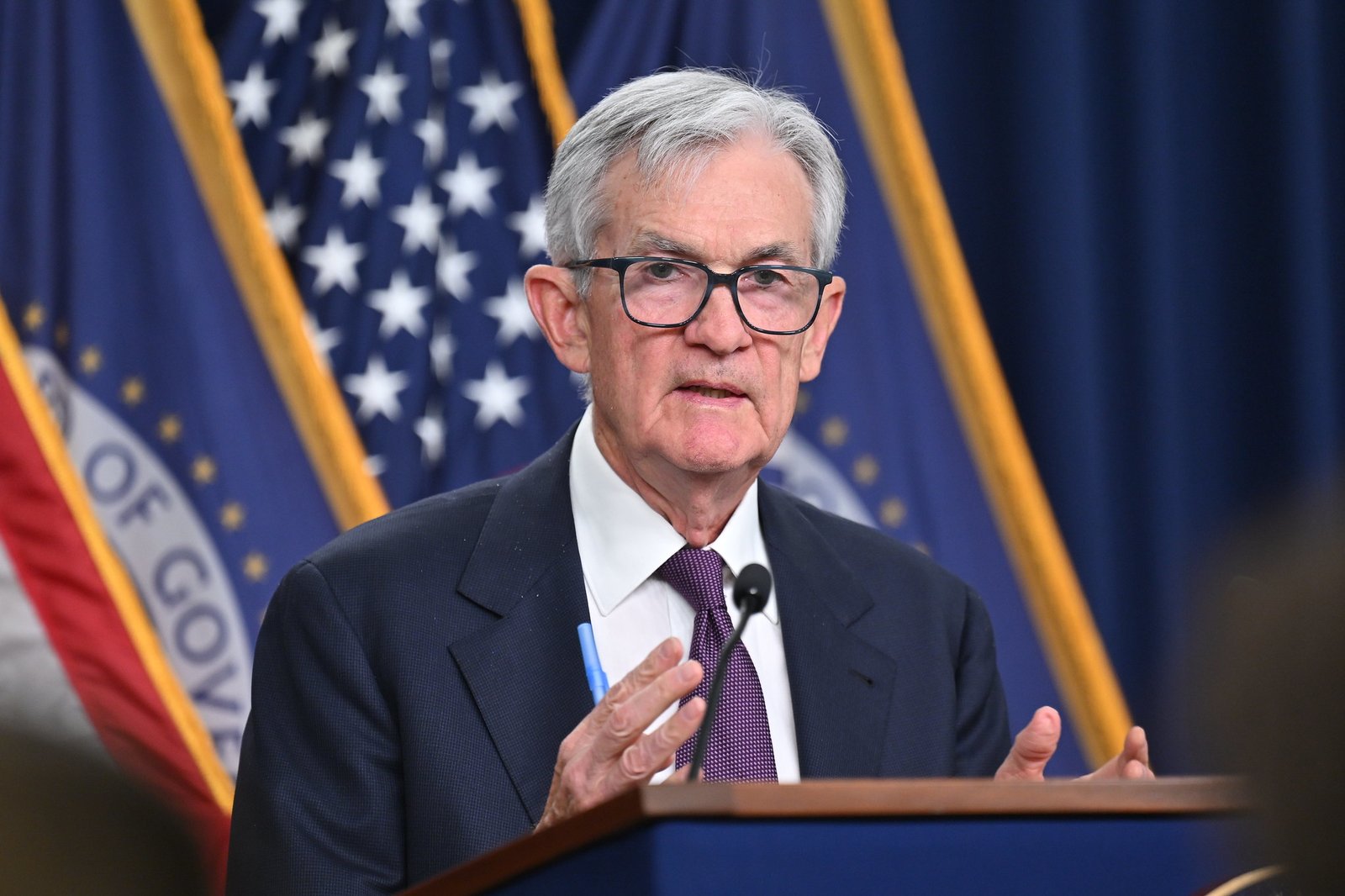
Treasury Secretary Scott Bessent and Federal Reserve Chair Jerome Powell convened a closed-door meeting with leading bank executives to address the implications of next-generation AI models, particularly their potential to expose vulnerabilities within financial systems.
According to Bloomberg, citing anonymous sources, the meeting was called to ensure that banks are fully aware of emerging technological risks and are taking proactive steps to safeguard their systems. Officials emphasized the importance of preparedness as AI capabilities begin to outpace traditional cybersecurity frameworks.
At the center of concern is Anthropic’s newly introduced AI model, Claude Mythos, which represents a significant leap in capability. The system is reportedly able to identify software vulnerabilities at a level comparable to — or exceeding — that of highly skilled human experts.
Anthropic has taken a cautious approach to the rollout. The company has acknowledged that such systems could be leveraged to uncover weaknesses in critical infrastructure, raising broader questions about systemic risk in sectors heavily reliant on complex digital architectures, including banking.
Policymakers are increasingly incorporating artificial intelligence into their risk assessments, reflecting a broader shift in regulatory priorities. While AI continues to be viewed as a driver of productivity and innovation, officials are also evaluating its potential implications for financial stability and operational resilience.
The discussions signal that financial institutions may need to further adapt their risk management frameworks as AI capabilities evolve, particularly in areas where existing safeguards may not fully address emerging technological vulnerabilities.
According to Bloomberg, a Treasury representative did not immediately respond to a request for comment, while a Federal Reserve spokesperson declined to comment.