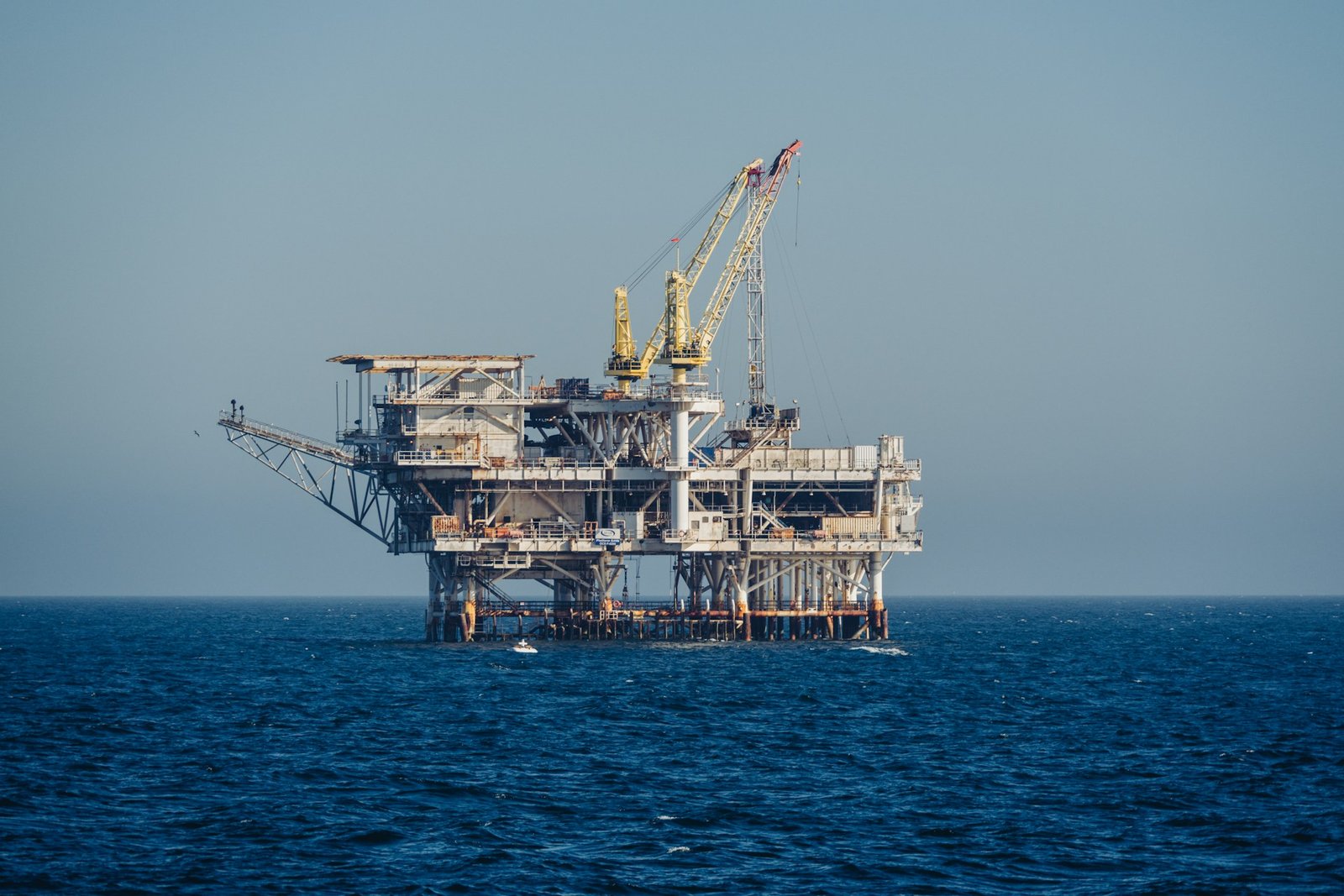

U.S. crude oil prices fell below $92 a barrel on Tuesday, October 13, ending a three-session rally as investors assessed the prospect of additional Russian fuel supplies entering global markets following a temporary easing of U.S. restrictions.
President Donald Trump defended his administration’s decision to relax restrictions on Russian diesel for six months, arguing that increased fuel availability could help reduce costs for American consumers.
The decision has drawn criticism from lawmakers in both major U.S. political parties, who question whether the agreement undermines sanctions imposed on Russia over its war in Ukraine.
Oil prices had risen in previous sessions amid concerns that escalating military activity in the Middle East could disrupt energy production and transportation.
Russian Diesel Agreement Raises Supply Expectations
The U.S. administration’s decision followed discussions with Moscow aimed at increasing the availability of diesel in international markets.
Trump said Russia had agreed to release additional fuel supplies, potentially easing shortages that have contributed to elevated energy prices.
The prospect of more Russian diesel entering the market has reduced some immediate concerns about fuel availability.
However, the actual impact will depend on Russia’s refining capacity, export volumes and the implementation of the agreement.
Reuters reported that Russia’s stated objective of supplying 3 million to 3.5 million metric tons of diesel monthly by the end of the year faces significant production constraints.
Sanctions Decision Draws Bipartisan Criticism
The agreement has generated opposition in Washington, where lawmakers have questioned its compatibility with restrictions on Russian energy imports.
The sanctions were introduced in response to Russia’s invasion of Ukraine and were intended to limit revenue available to Moscow.
Critics argue that easing restrictions could provide Russia with additional income while its military operations continue.
Trump has defended the arrangement as a measure intended to reduce energy costs for American households and businesses.
The disagreement highlights the competing economic and foreign policy considerations surrounding energy sanctions: increasing fuel supplies may help moderate prices, while relaxing restrictions can reduce economic pressure on sanctioned producers.
Russia-Ukraine Energy Ceasefire Remains Uncertain
The proposed energy ceasefire between Russia and Ukraine remains fragile, with both sides continuing to dispute compliance.
Trump acknowledged violations of the arrangement, while Ukrainian President Volodymyr Zelenskyy said Kyiv would continue targeting Russian facilities as long as attacks on Ukrainian energy infrastructure persisted.
The continuing strikes have raised concerns about the availability of refined petroleum products and the condition of Russian energy facilities.
Damage to refineries and transportation infrastructure could limit Russia’s ability to increase exports, even if trade restrictions are temporarily relaxed.
Saudi Airport Attacks Keep Middle East Supply Risks Elevated
Geopolitical tensions in the Middle East remain another major factor influencing oil prices.
Iran-backed Houthi forces launched attacks on King Khalid International Airport in Riyadh over the weekend, increasing concerns about regional security and the possibility of expanded U.S. military involvement.
The attacks have renewed attention on the vulnerability of critical infrastructure and commercial transportation routes across the Gulf.
Energy traders are also monitoring security around the Strait of Hormuz, one of the world’s most important oil transit corridors.
Additional disruptions to shipping, insurance or energy infrastructure could increase transportation costs and constrain supply.
Reuters reported that shipping and insurance expenses in some oil trade operations have risen substantially amid the regional conflict, complicating the movement of crude and refined products.
Oil Markets Balance Additional Supply Against Geopolitical Risks
The latest decline reflects competing pressures in global energy markets.
Additional Russian diesel could improve fuel availability and ease some price pressures. At the same time, continued military activity in Ukraine and the Middle East threatens production, refining and transportation infrastructure.
The distinction between crude oil and refined products is also important. Greater diesel availability may ease pressure in fuel markets without producing an equivalent increase in global crude oil production.
In its October 13 report, Reuters recorded U.S. West Texas Intermediate futures at $92.08 a barrel at 08:20 GMT, down 1.77%, while Brent crude declined 1.52% to $105.03. These figures represent an earlier trading snapshot than the subsequent move below $92 described in the market update.