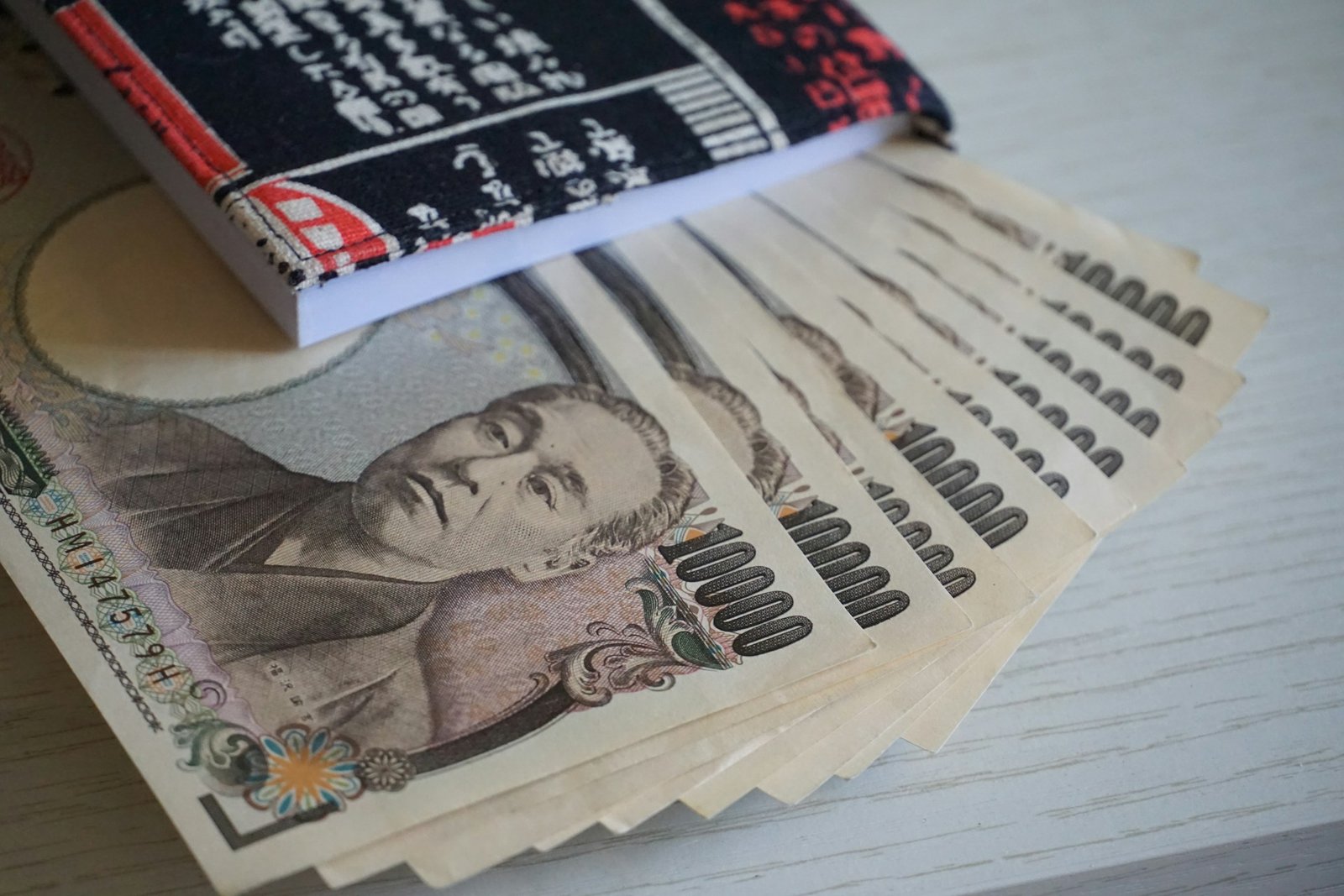

The Japanese yen strengthened toward 153 per dollar on Wednesday, trading near its strongest level in almost seven months as expectations for another Bank of Japan interest-rate increase and unusually forceful comments from U.S. Treasury Secretary Scott Bessent reinforced the currency’s rebound.
The yen strengthened to around 153.2 per dollar, its strongest level since mid-February, extending a rally that has lifted the currency more than 6% from its late-July levels.
The move marks a sharp reversal from July, when the yen weakened toward 164 per dollar before coordinated intervention by U.S. and Japanese authorities helped change the currency’s direction.
Bessent Sends Warning to Currency Traders
Bessent, a former hedge-fund manager, delivered an unusually direct message to traders during an event at Southern Methodist University in Texas on Tuesday.
Referring to the U.S. Treasury’s intervention alongside Japan, Bessent said he has “pretty good insight” into what Japanese policymakers and the Bank of Japan are likely to do.
He went further, telling the audience: “I am the house now,” before challenging traders to “bet against me if you want.”
The comments followed the rare coordinated U.S.-Japan intervention in foreign-exchange markets earlier this summer, the first such joint action involving the yen since 1998.
Bank of Japan Rate Hike Comes Into Focus
Monetary policy is also providing support for the currency.
The Bank of Japan is widely expected to consider another interest-rate increase at its meeting next week as policymakers respond to inflation and the economic consequences of prolonged yen weakness. Market expectations have centered on the possibility of the BOJ raising its policy rate to 1.25%.
Higher Japanese interest rates reduce part of the yield advantage that encouraged investors to borrow cheaply in yen and invest in higher-yielding assets elsewhere — a strategy commonly known as the yen carry trade.
The reversal of some of those trades has contributed to the currency’s appreciation, while reports that large Japanese investors are shifting more capital toward domestic bonds have provided additional support.
Japan’s Manufacturing Sentiment Hits Near Five-Year High
The stronger yen comes alongside improving confidence among Japanese manufacturers.
The Reuters Tankan manufacturing sentiment index climbed to +21 in September from +18 in August, reaching its highest level since December 2021. It marked a second consecutive monthly increase.
Electronics provided much of the improvement, with the sector’s index surging to +39 from +24, supported by strong semiconductor and data-center demand as global investment in artificial-intelligence infrastructure benefits Japanese chip, equipment and component suppliers.
Manufacturers expect sentiment to improve further to +27 over the next three months, although companies identified Middle East tensions, higher raw-material costs and weaker domestic consumption as potential risks.
The yen’s latest appreciation reflects several forces moving in the same direction: expectations for tighter Bank of Japan policy, coordinated currency intervention, the unwinding of yen-funded trades and increased incentives for Japanese capital to remain or return home. The shift represents a significant reversal from the forces that pushed the currency to multi-decade lows earlier this summer.