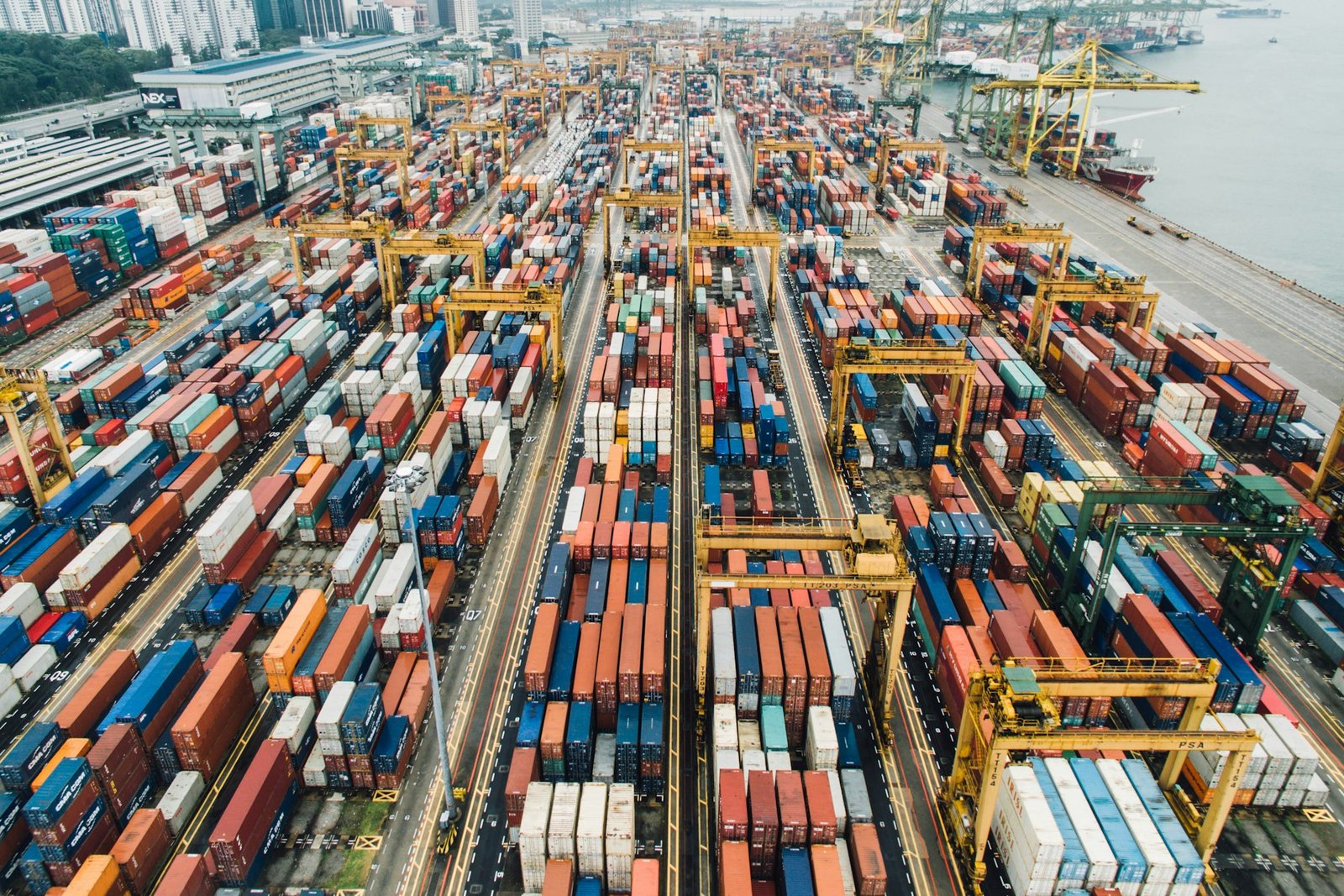

A tariff announcement can move markets in minutes, but its effect on a household budget usually arrives more quietly: a higher price on a new laptop, a smaller promotion on clothing, or a contractor’s larger estimate for appliances and materials. Understanding how tariffs affect consumer prices means following the cost from the border through importers, manufacturers, retailers, and finally the checkout screen.
Tariffs are taxes levied on imported goods. They are paid first by the U.S. importer, not directly by the foreign country that produced the product. But the importer rarely treats that cost as a permanent hit to profits. Depending on competition, demand, contracts, and available alternatives, some or all of the tariff can be passed on to consumers.
How tariffs affect consumer prices
The basic arithmetic is straightforward. If an importer brings in a $100 product subject to a 20% tariff, it owes $20 to the U.S. government. The final retail impact is not automatically $20, because freight, warehousing, wholesale markups, sales promotions, and retailer margins all sit between the port and the shopper. Still, the tariff has raised the cost base, and someone in the chain must absorb it.
When demand is strong and substitute products are limited, companies have more room to raise prices. A retailer selling a specialized imported appliance, for example, may have little reason to absorb a major tariff if shoppers cannot easily find a comparable model made elsewhere. Prices can rise quickly in categories where brands have pricing power or where supply is concentrated in a few countries.
In more competitive categories, the cost may be shared. The importer might accept lower margins, the overseas supplier may cut its factory price, and the retailer may raise the shelf price only modestly. That can soften the immediate consumer impact, but it does not make the tariff free. Lower corporate margins can lead to reduced investment, fewer discounts, or pressure on wages and hiring over time.
The price increase is often smaller than the tariff rate
A 25% tariff does not necessarily mean a 25% jump in the sticker price. The tariff applies to the import value, not to every layer of the final retail price. A product with a $100 import value might reach a store with shipping, insurance, distribution, marketing, and retail costs already added. If the final sticker price had been $200, a $25 tariff could translate into a price increase below 25% if passed through in full.
But that distinction should not be mistaken for relief. For households buying big-ticket goods or products with thin alternatives, even a single-digit percentage increase can matter. It is especially visible when tariffs affect items bought in clusters, such as home renovation supplies, auto parts, consumer electronics, furniture, and seasonal goods.
Which purchases feel tariffs first?
Tariffs are most visible when they target finished consumer goods. A tariff on imported footwear, toys, televisions, or kitchen equipment can show up relatively quickly in retail pricing, particularly after existing inventory is sold. Retailers may try to hold prices steady during a key shopping season, then reset prices once replenishment orders arrive at higher landed costs.
The bigger and more persistent effect can come from tariffs on inputs rather than finished goods. Steel, aluminum, lumber, semiconductors, chemicals, machinery components, and industrial parts are embedded in a far wider range of products. A tariff on those inputs can raise costs for U.S. manufacturers that assemble products domestically.
That is why a policy designed to support a domestic industry can produce mixed results. A U.S. steel producer may benefit from less import competition and potentially stronger pricing. But an appliance maker, automaker, construction firm, or manufacturer using steel may face higher expenses. Those downstream businesses may raise prices, accept smaller margins, source differently, or cut costs elsewhere.
For consumers, the result may not appear as one obvious “tariff surcharge.” It can emerge across a broad basket of purchases, from cars and canned goods to homes and utility infrastructure.
Timing matters: prices do not move all at once
The first effect of a new tariff may be a rush to import goods before the effective date. Companies can stockpile inventory, creating a temporary buffer for consumers. Once that inventory is depleted, the higher cost reaches distribution networks and retail shelves.
Long-term supply contracts can slow the process too. Some retailers lock in prices months ahead, while manufacturers may negotiate cost-sharing with suppliers. Others respond immediately by canceling orders, raising wholesale prices, or reducing promotional activity.
This lag makes tariff-related inflation difficult to spot in any single monthly report. A broad consumer price index may not jump solely because of one trade measure. The more relevant question is whether tariffs cover a large enough share of imports, affect essential categories, and remain in place long enough for businesses to reset pricing and sourcing decisions.
Why companies cannot always just buy American
The common response to tariffs is that companies should simply move production to the United States or purchase from domestic suppliers. In some industries, that shift is possible and can support capital investment, factory construction, and jobs. But capacity does not appear overnight.
Building a new plant requires financing, skilled labor, equipment, permitting, supplier networks, and reliable access to materials. For technology products and complex machinery, the supply chain may span multiple countries, with specialized components produced in places that have spent decades developing technical expertise and scale.
Companies may instead shift sourcing from one foreign country to another. That can reduce direct exposure to a specific tariff, but it can also add transition costs, create quality-control risks, and lengthen delivery times. A supplier relocation is not the same as domestic production, and it does not guarantee lower prices.
Exchange rates also matter. If the U.S. dollar strengthens against the currency of an exporting country, imports can become cheaper in dollar terms and offset part of a tariff. If the dollar weakens, the tariff’s price effect can become larger. Freight rates, oil prices, port congestion, and global demand can all push in the same direction or counteract one another.
Tariffs and inflation: real connection, imperfect signal
Tariffs can contribute to inflation because they raise the cost of imported goods and, in some cases, domestically made alternatives. Domestic producers facing less foreign competition may raise prices as well, especially when their own input costs rise.
Yet tariffs are only one force in an inflation picture also shaped by wages, housing, energy, interest rates, supply disruptions, consumer demand, and fiscal policy. A narrowly targeted tariff may have a noticeable effect on a specific category without materially changing overall inflation. A broad tariff program touching major consumer imports and industrial inputs can have wider consequences.
For investors and business leaders, that distinction matters. Persistent tariff-driven price pressure could complicate the Federal Reserve’s inflation fight, particularly if companies use the policy change as cover to widen margins. But higher prices can also weaken demand, slowing sales and limiting how far businesses can push increases.
The trade-off policymakers are making
Tariffs are not imposed solely to raise revenue. They can be used to protect strategic industries, respond to what U.S. officials view as unfair trade practices, strengthen bargaining power in negotiations, or reduce dependence on overseas supply chains. Those goals can carry real economic and national-security value.
The consumer trade-off is direct: protection can come with higher prices, fewer choices, or both. Whether the trade is worthwhile depends on the sector, the policy design, the availability of domestic capacity, and whether the tariff is temporary leverage or a durable part of industrial policy.
A targeted tariff tied to a strategic product may have a different economic case than a sweeping levy on everyday household goods. The details matter: the tariff rate, exemptions, country coverage, enforcement, and the ability of businesses to reroute supply all shape the final outcome.
What households should watch
Consumers do not need to react to every tariff headline by rushing to buy goods. A proposed measure can be delayed, revised, narrowed, challenged, or offset by company pricing decisions. The practical signal is whether the tariff covers products you expect to buy soon and whether retailers have begun warning about price changes.
For planned major purchases, compare prices across brands and models, not just stores. Products assembled in the United States may still rely on imported parts, while an imported product may be sourced from a country outside the tariff’s scope. Repairing an existing item, buying refurbished, or timing a purchase around established sales periods can also be more effective than guessing at policy deadlines.
The clearest way to read the next tariff announcement is to ask three questions: What goods are covered? Who has the power to absorb the cost? And how quickly can buyers find alternatives? The answers, more than the headline tariff rate, determine what Americans ultimately pay.