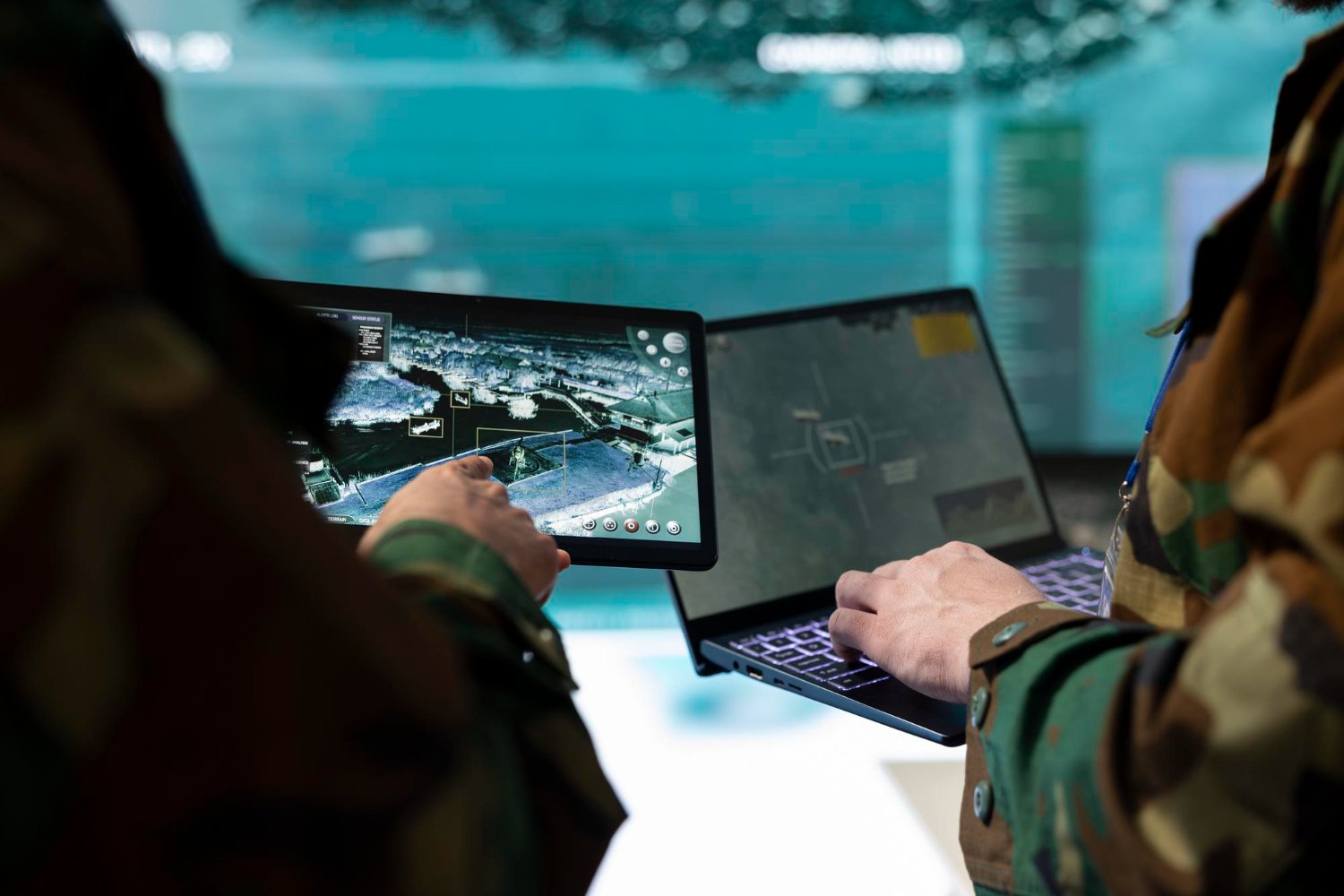
Global defense spending has reached historic levels as governments accelerate military modernization programs and invest in advanced defense technologies amid rising geopolitical tensions.
According to data from the Stockholm International Peace Research Institute (SIPRI), global military expenditure climbed to approximately $2.7 trillion in 2024, marking the largest annual increase since the end of the Cold War and extending a decade-long upward trend in defense budgets worldwide.
The surge in spending reflects a rapidly evolving security environment shaped by geopolitical conflicts, technological competition between major powers, and growing concerns about strategic stability.
Defense spending has expanded across nearly every region, with particularly strong increases in Europe and the Middle East. More than 100 countries increased military budgets in 2024, signaling a broad shift toward military preparedness and modernization.
This new cycle of defense investment is not limited to traditional military hardware. Governments are increasingly prioritizing emerging technologies such as autonomous systems, artificial intelligence, cyber defense, advanced missile systems, and space-based capabilities.
Defense industry revenues have already begun to reflect this shift. The world’s largest arms producers generated approximately $679 billion in revenue, driven by rising demand for weapons systems, ammunition, and advanced military technologies.
The convergence of venture capital, commercial technology startups, and national security priorities is also reshaping the defense ecosystem, creating new opportunities for innovation in defense technology.
For investors, the expanding defense sector signals a long-term structural shift driven by geopolitical dynamics, technological competition, and national security priorities.
Sources
- Stockholm International Peace Research Institute (SIPRI)
- Reuters
- Associated Press