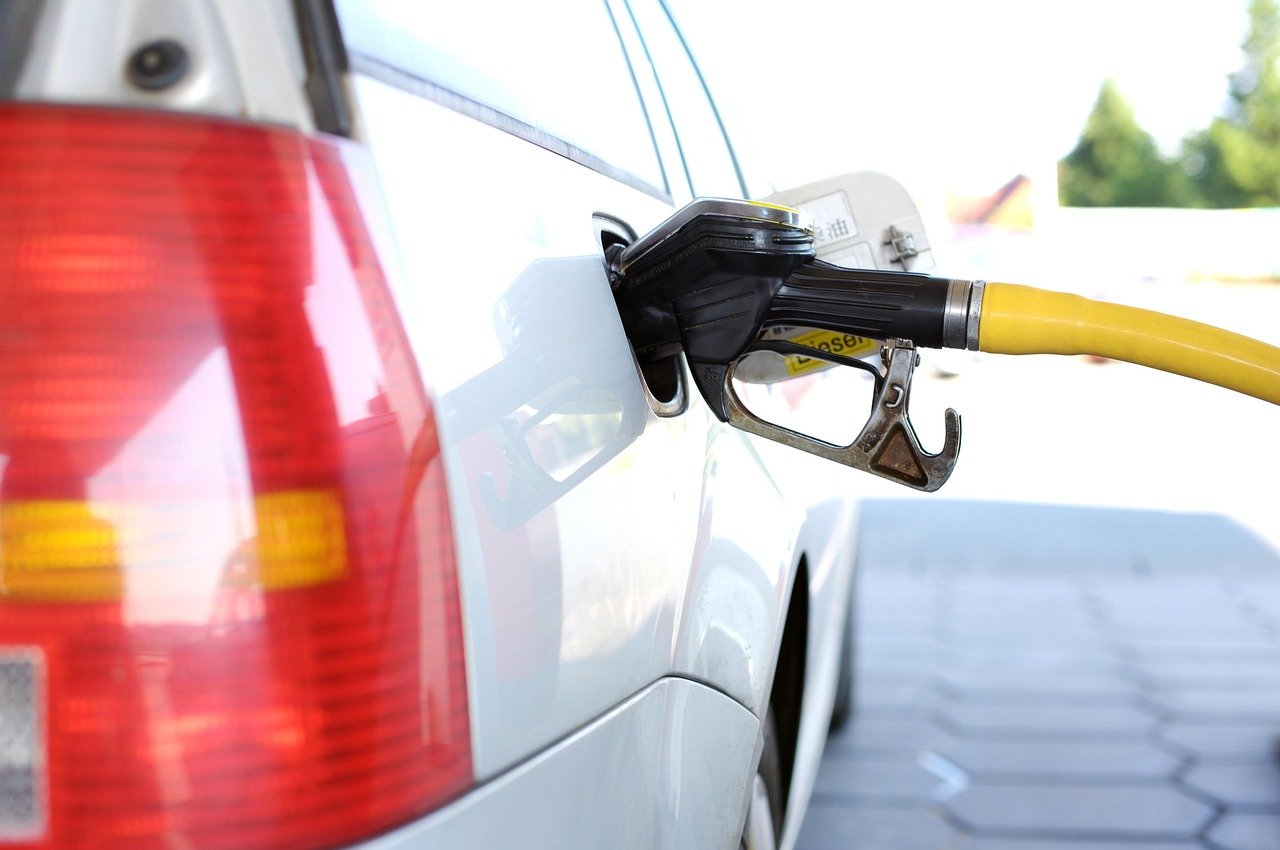

Gasoline futures declined more than 1% on Tuesday, slipping below the $3.10 per gallon level and partially reversing gains from the previous session, as renewed optimism surrounding potential U.S.–Iran negotiations weighed on energy markets.
Investor sentiment shifted after U.S. Vice President JD Vance stated that progress in diplomatic talks now depends on Tehran following a weekend of negotiations that failed to yield a breakthrough. He emphasized that “the ball is in Iran’s court,” noting that a potential agreement could benefit both sides if U.S. nuclear conditions are met.
President Donald Trump also indicated that Iran had reestablished contact through political channels regarding possible peace discussions. On the Iranian side, Masoud Pezeshkian signaled openness to negotiations, provided they remain within the framework of international law.
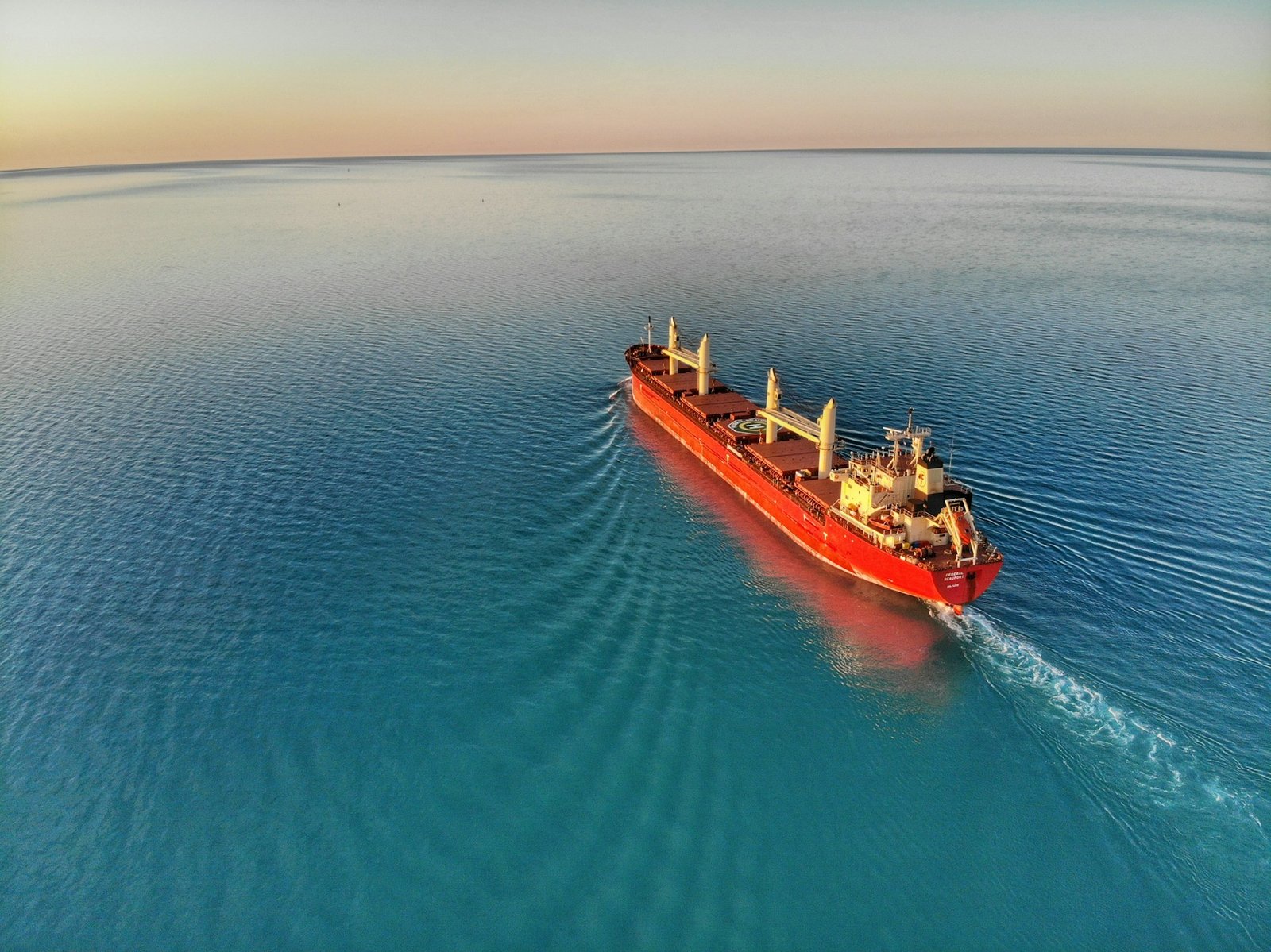
The shift in tone comes shortly after the United States initiated a naval blockade targeting Iranian ports in the Persian Gulf earlier this week—raising concerns about potential disruptions to oil flows through the strategically critical Strait of Hormuz. The waterway handled an average of approximately 1.7 million barrels per day last month, underscoring its importance to global energy supply.
Despite these supply-side risks, expectations that diplomatic engagement could eventually resume have eased immediate concerns over prolonged disruptions, contributing to downward pressure on gasoline prices.
Meanwhile, a recent report from the OPEC showed that Gulf Arab production declined sharply in March due to ongoing disruptions. The data has raised concerns that supply recovery across the region may take longer than previously anticipated, adding complexity to the near-term outlook for energy markets.