The Federal Reserve has decided to keep its benchmark interest rate unchanged in the range of 3.5% to 3.75%, reinforcing a cautious stance amid rising global uncertainty.
The decision passed with an 11–1 vote, reflecting broad consensus within the Federal Open Market Committee. According to CNBC, policymakers explicitly pointed to “developments in the Middle East” as a key source of uncertainty shaping the current economic outlook.
Geopolitics Moves to the Center of Monetary Policy
The inclusion of the Iran-related conflict in the Fed’s official statement marks a notable shift in tone. The war adds complexity to an already delicate balancing act, as the central bank seeks to bring inflation back to its 2% target without undermining economic growth.
Market analysts interpret the move as a recognition that external shocks — particularly those affecting energy markets — could disrupt the disinflation path while also weighing on global demand.
Internal Division: A Call for Rate Cuts
Despite the strong majority, one dissent stood out. Governor Stephen Miran voted in favor of a 0.25 percentage point rate cut, citing signs of weakness in the labor market.
This divergence highlights a growing internal debate over the timing of potential rate cuts, especially if employment indicators begin to show more pronounced softness in the coming months.
Powell Addresses Stability Amid DOJ Probe
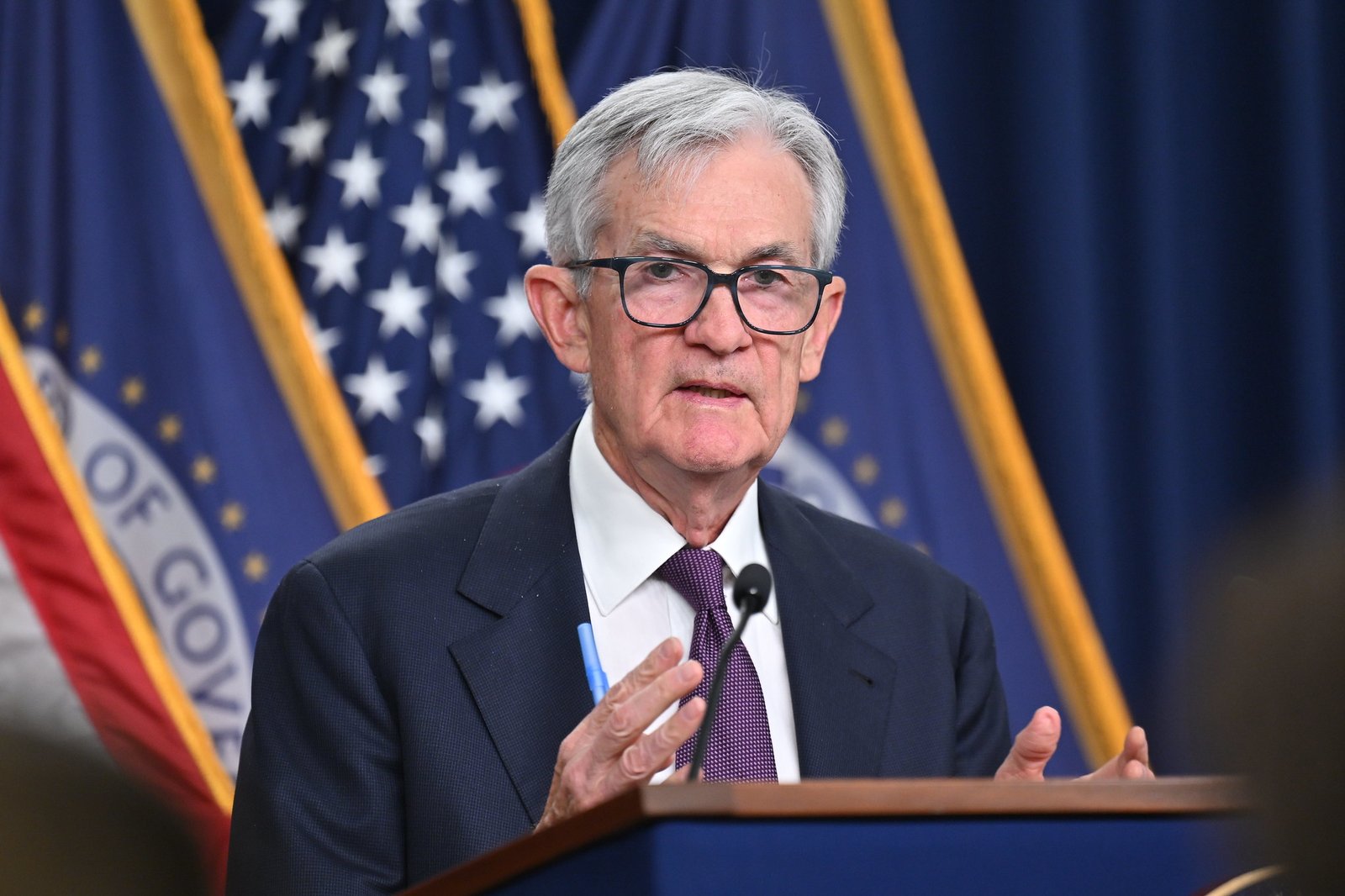
During the post-meeting press conference, Fed Chair Jerome Powell addressed institutional concerns, stating he has “no intention of leaving the board” despite an ongoing investigation by the U.S. Department of Justice.
The statement appears aimed at reinforcing leadership stability at a time when the central bank faces both economic and political pressures.
What Comes Next for the Fed
The Fed’s decision underscores a “wait-and-see” approach, with policymakers closely monitoring three key variables:
-
Progress of inflation toward the 2% target
-
Economic spillover effects from the Middle East conflict
-
Strength and resilience of the U.S. labor market
The central bank is expected to remain data-dependent, avoiding premature policy shifts until greater clarity emerges.