China is accelerating the development of nuclear power while advancing a broader national strategy focused on artificial intelligence, semiconductors, and other frontier technologies, according to reports from Bloomberg, Financial Post and MSN.
The initiatives are part of Beijing’s effort to build what policymakers describe as a “smart economy”, combining advanced manufacturing, digital infrastructure, and strategic energy investments to support long-term economic development.
Government officials have emphasized that strengthening technological capabilities and industrial upgrading are central priorities for China’s future growth model, particularly as global competition intensifies in sectors such as artificial intelligence and semiconductors.
Nuclear energy becomes key pillar of China’s energy strategy
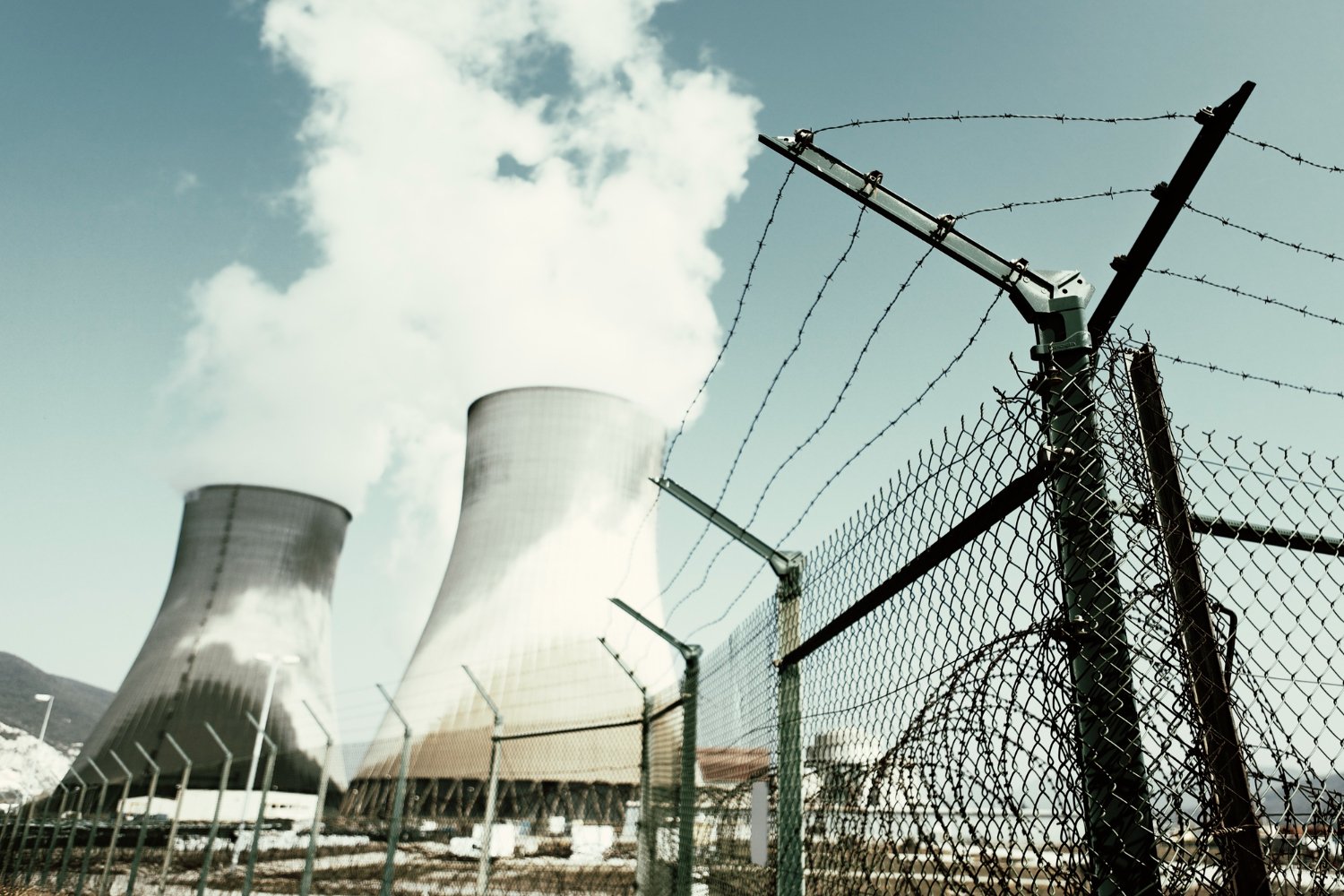
A major component of the strategy involves accelerating nuclear power expansion to support rising electricity demand from high-tech industries and data infrastructure.
China already operates one of the world’s fastest-growing nuclear fleets and has several next-generation reactor projects under construction, with additional facilities planned over the coming decade. According to Bloomberg, the country sees nuclear power as a crucial tool for improving energy security while reducing carbon emissions.
The expansion is expected to play an important role in supporting the power requirements of emerging technologies such as AI computing centers and advanced manufacturing systems.
AI policy shifts toward commercialization
China is also adjusting its artificial intelligence strategy, moving from a focus on early-stage research toward commercial deployment and industrial application.
Analysts say this shift could accelerate growth across multiple sectors, including chip manufacturing, robotics, biotechnology, and advanced energy systems. The commercialization push is designed to help domestic companies integrate AI into large-scale industrial operations and supply chains.
Technology self-reliance remains a strategic priority
The latest policies reinforce Beijing’s long-term goal of strengthening technological self-reliance and reducing dependence on foreign technologies in critical industries.
China’s leadership has increasingly emphasized the importance of building domestic capabilities in areas such as semiconductors, AI infrastructure, and advanced manufacturing as part of a broader strategy to secure sustainable economic growth.
According to international analysts, the combination of nuclear energy investment, industrial upgrading, and AI commercialization reflects China’s attempt to position itself at the center of the next generation of global technological competition.