The Venezuelan government announced late Tuesday that it has begun a nationwide, large-scale military mobilization, deploying nearly 200,000 troops in response to the arrival of the United States’ largest aircraft carrier in waters near Latin America. Officials say the action marks one of the most significant military exercises undertaken by the country in recent years, amid rapidly deteriorating relations between Caracas and Washington.
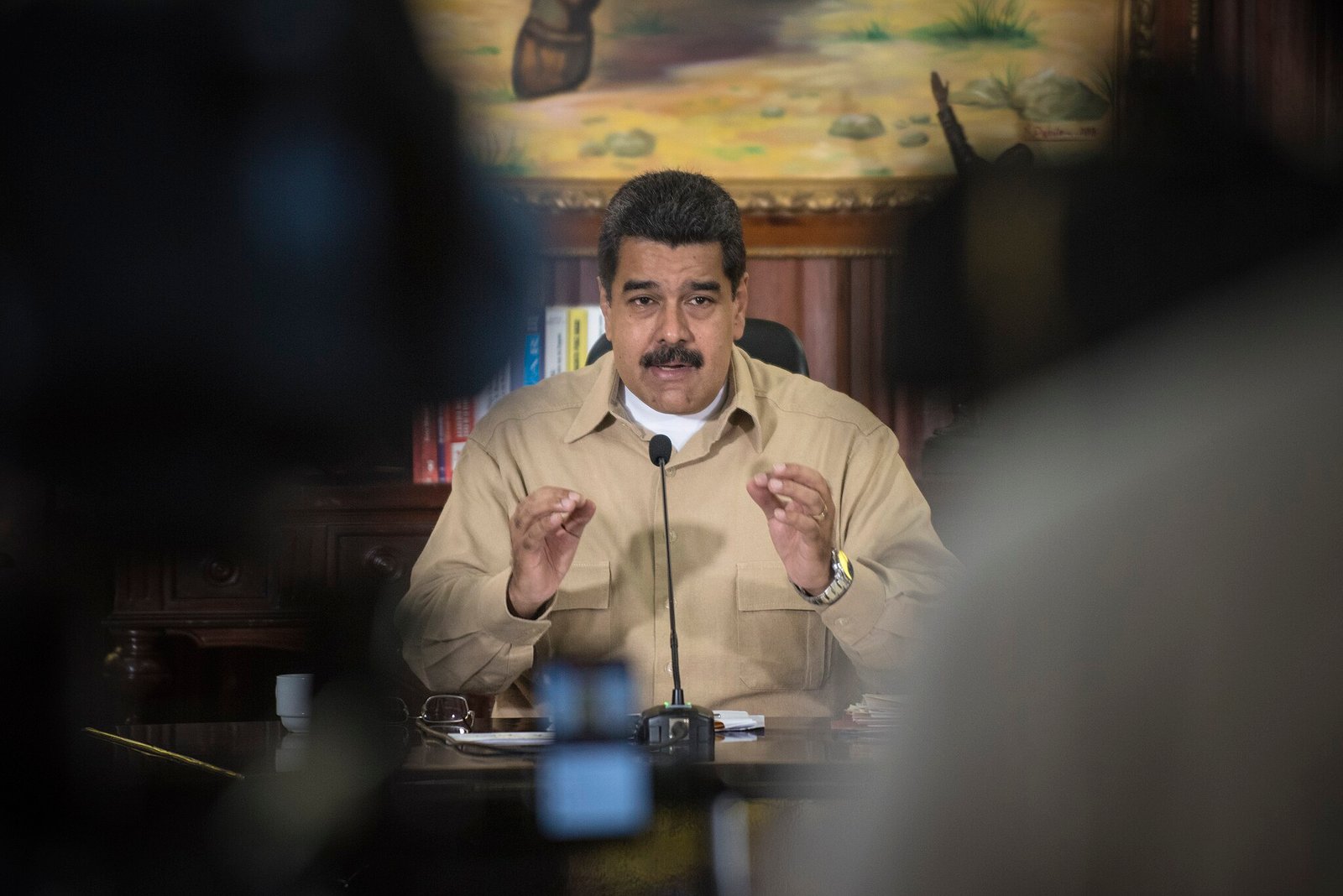
Venezuelan Defense Minister Vladimir Padrino López said the armed forces have been placed on “full operational readiness,” with the operation involving ground units, naval and riverine forces, aircraft, missile systems, and reserve personnel.
According to Padrino, President Nicolás Maduro personally ordered the mobilization, directing the armed forces to carry out drills aimed at strengthening command structures, communications, and strategic response capabilities.
“These actions ensure the defense of the homeland in the face of an imperialist threat,” Padrino said, referring to the growing U.S. military presence in the Caribbean Sea.
U.S. Aircraft Carrier Arrival Heightens Tensions
The announcement followed confirmation from the U.S. Navy that the USS Gerald R. Ford, the Navy’s newest and most advanced aircraft carrier, entered the U.S. Southern Command’s area of operations on Tuesday. The carrier strike group includes more than 4,000 sailors aboard the Ford and additional personnel aboard its accompanying destroyers — the USS Bainbridge, USS Mahan, and USS Winston S. Churchill.
The deployment, first ordered on October 24, moves the Ford from Europe to the Latin America region. U.S. officials say the expanded presence — now totaling roughly 15,000 personnel — is intended to disrupt transnational criminal activity and drug-trafficking networks.
The buildup includes eight U.S. warships already stationed in the area, thousands of U.S. service members at facilities in Puerto Rico, and recent bomber training flights conducted close to Venezuelan airspace. Analysts note that such a concentration of U.S. military power in the Caribbean is unusual, given that the region traditionally hosts only a small number of naval vessels supporting counter-narcotics missions.
Venezuela’s Response and Internal Mobilization
The Venezuelan exercise will also involve the Bolivarian Militia, a civilian reserve force established under former President Hugo Chávez. The mobilization is expected to continue through Wednesday, with simulated combat scenarios designed to test national defense capabilities.
According to Venezuelan officials, the decision was driven by what they describe as an “unprecedented military buildup” by the United States, which they argue threatens regional stability.
Controversy Over U.S. Maritime Operations
The heightened tension comes as the Trump administration increases its maritime enforcement actions. Since September, U.S. forces have carried out at least 19 strikes on suspected drug-smuggling vessels, resulting in more than 70 fatalities, according to public reports. Critics argue that many of these operations lack transparency, while U.S. officials maintain that the actions target illicit trafficking networks.
Looking Ahead
There has been no indication of how long Venezuela’s military operation will remain active, nor whether the United States intends to expand its presence further. Regional observers warn that the situation could escalate if diplomatic channels remain strained.