Brazil is preparing to take a decisive step into the global space market with the upcoming launch of the HANBIT-Nano rocket, developed by South Korean aerospace company Innospace. The mission, coordinated by the Brazilian Air Force (FAB) in partnership with the Brazilian Space Agency (AEB), is scheduled to lift off from the Alcântara Launch Center (CLA) in Maranhão on December 17, 2025.
Originally planned for November 22, the launch was postponed after technical reviews indicated the need for additional refinement. According to the FAB, the updated schedule will allow for further adjustments to the vehicle’s signal processing and telemetry systems, ensuring maximum reliability during the mission.
“The revised launch date enables engineers to perform additional safety checks and optimize the performance analysis of the rocket,” the FAB said in an official statement. The decision, taken jointly with AEB, aligns with standard safety protocols for commercial and scientific space operations.
A Strategic Step for Brazil’s Entry Into the Global Launch Market
The HANBIT-Nano mission represents a technological and institutional milestone for Brazil. By enabling a commercial rocket launch from Alcântara—regarded as one of the most efficient spaceports in the world due to its proximity to the Equator—the country moves closer to positioning itself as a competitive player in global launch services.
The initiative expands Brazil’s capabilities in the aerospace sector and strengthens the country’s prospects for future partnerships, innovation, and commercialization opportunities.
About the HANBIT-Nano Rocket
The HANBIT-Nano is a 21.9-meter, approximately 20-ton suborbital rocket designed with hybrid propulsion technology. The vehicle is capable of carrying up to 90 kg into orbit and is expected to reach speeds of nearly 30,000 km/h—four times faster than the legendary North American X-15 aircraft, which set the previous record for piloted high-speed flight.
The mission will carry eight payloads, including:
Brazilian payloads include the FloripaSat-2A and FloripaSat-2B nanosatellites, as well as the educational project PION-BR2, created by the Federal University of Maranhão (UFMA).
More than 400 professionals—including civilian engineers, military personnel, and aerospace specialists—participated in the assembly, integration, and testing processes of the rocket.
Full-Scale Rehearsal Completed at Alcântara
In the past few days, Innospace successfully conducted a full-scale dress rehearsal at the Alcântara Launch Center. The simulation replicated all phases of a real launch sequence, including:
-
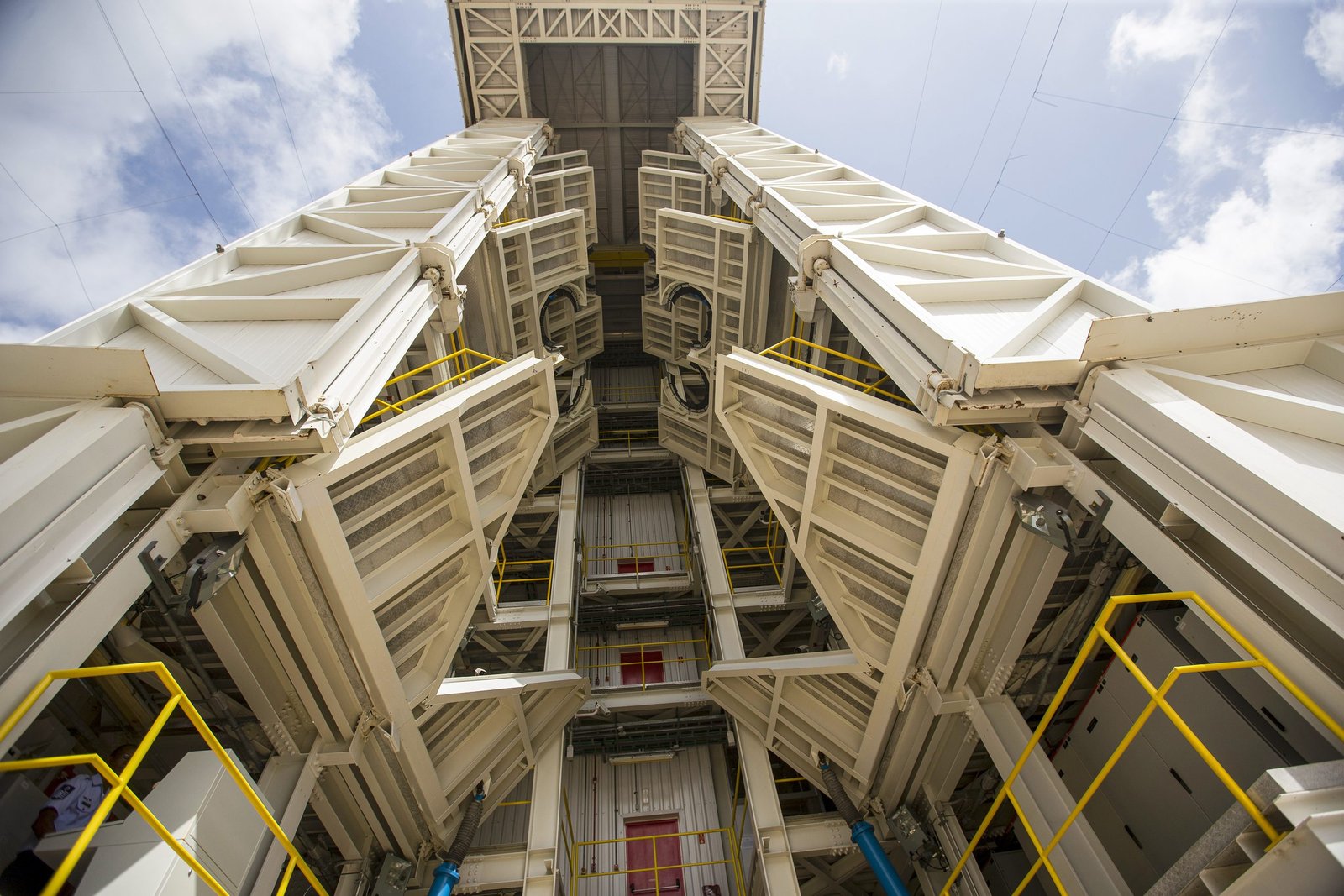
Transporting the rocket to the launch pad
-
Pressurization and fueling procedures
-
Electrical and control system checks
-
Safety system verification
-
Integration tests between the vehicle and ground infrastructure
All systems performed as expected, confirming the team’s readiness for the December launch.
The Strategic Role of the Alcântara Launch Center
The Alcântara Launch Center—located just 2 degrees south of the Equator—offers significant efficiency advantages, such as reduced fuel consumption and improved orbital insertion capability. These geographic benefits, combined with recent infrastructure upgrades, have positioned the site as a promising hub for commercial space operations.
Following the Technological Safeguards Agreement (TSA) signed in 2019, Brazil has expanded its capacity to host international launch companies. In 2020, Innospace was selected through a public call issued by AEB, and formalized its agreement with the Brazilian Air Force in 2022.
A Historic Milestone for Brazil
The upcoming launch of the HANBIT-Nano marks more than a commercial operation—it symbolizes Brazil’s entry into a new era of scientific, technological, and economic development. With Alcântara becoming a strategic international launch center, the country positions itself as an emerging competitor in the fast-growing global space economy.