
European stock markets recovered from early declines to trade broadly flat on Friday, November 13, as resilient corporate earnings helped offset concerns about persistent inflation, higher borrowing costs and uncertainty surrounding global technology investments.
The Euro STOXX 50 traded near 6,400 points, close to its highest levels since early September, while the broader STOXX 600 remained near record territory after reaching an all-time high in the previous session.
European equities have outperformed several major global benchmarks in recent weeks, supported by corporate earnings and investor interest in sectors less dependent on artificial intelligence.
European Markets Head Toward Strong Weekly Gains
Despite Friday’s uneven trading, European benchmarks remained on course for substantial weekly advances.
The Euro STOXX 50 was heading toward a gain of approximately 3% to 4%, while the STOXX 600 was positioned to rise more than 2%, potentially recording its strongest weekly performance since late June.
Oil and gas companies supported the market, benefiting from elevated energy prices, while aerospace, defense and luxury shares faced selling pressure.
European stocks have also attracted interest from investors seeking alternatives to US technology companies following increased volatility in artificial intelligence-related shares.
Richemont Falls Despite Strong Sales
Shares of Swiss luxury group Richemont, owner of Cartier and Van Cleef & Arpels, declined despite the company reporting quarterly sales growth.
The company recorded a 13% increase in sales during the three months ending in September, although growth slowed from 20% in the previous quarter.
Investors remained concerned about profitability, particularly as higher gold prices increased production costs for jewelry manufacturers.
The decline illustrates the challenges facing European luxury companies as they balance sales growth against rising input costs and changing consumer demand.
Generali Declines Following Goldman Sachs Downgrade
Italian insurance group Generali also traded lower despite reporting improved financial results for the first nine months of the year.
The decline followed Goldman Sachs’ decision to downgrade the European insurance sector to “underweight.”
The investment bank also reduced its outlook for European banks to “neutral,” citing expectations that bond yields could decline.
At the same time, Goldman Sachs raised its 12-month target for the STOXX 600 to 700 points from 695, reflecting continued confidence in the broader European equity market.
The bank expects European corporate earnings growth to moderate to 7% in 2027 from an estimated 18% in 2026, partly because of slower economic growth and pressure on profit margins.
Inflation and Interest Rates Remain Key Risks
European companies continue to face inflationary pressure from energy costs and the prospect of additional interest-rate increases.
Higher borrowing costs can affect corporate investment, consumer spending and market valuations, particularly in capital-intensive industries.
Nevertheless, corporate earnings have remained relatively resilient.
According to LSEG data cited by Reuters, STOXX 600 companies were on track to report quarterly profit growth of approximately 25%, the strongest pace in four years.
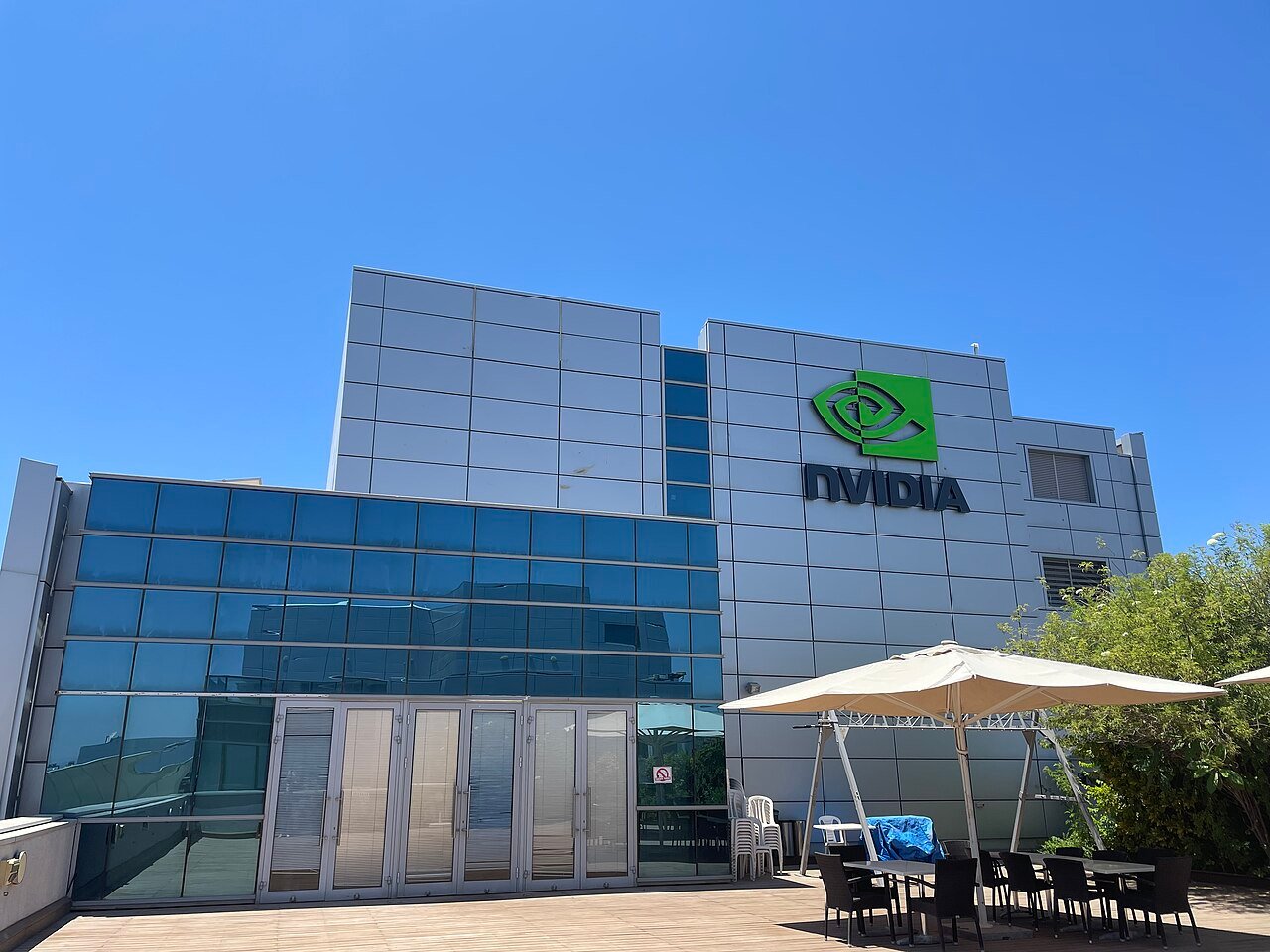
Investors are also assessing the implications of Nvidia’s leadership transition, which has raised questions about the outlook for global artificial intelligence investment.
Europe’s comparatively smaller exposure to AI-related companies has helped its equity markets remain resilient during recent volatility in US technology stocks.
The coming weeks will test whether strong corporate performance can continue supporting European valuations as investors reassess inflation, monetary policy and the outlook for global economic growth.