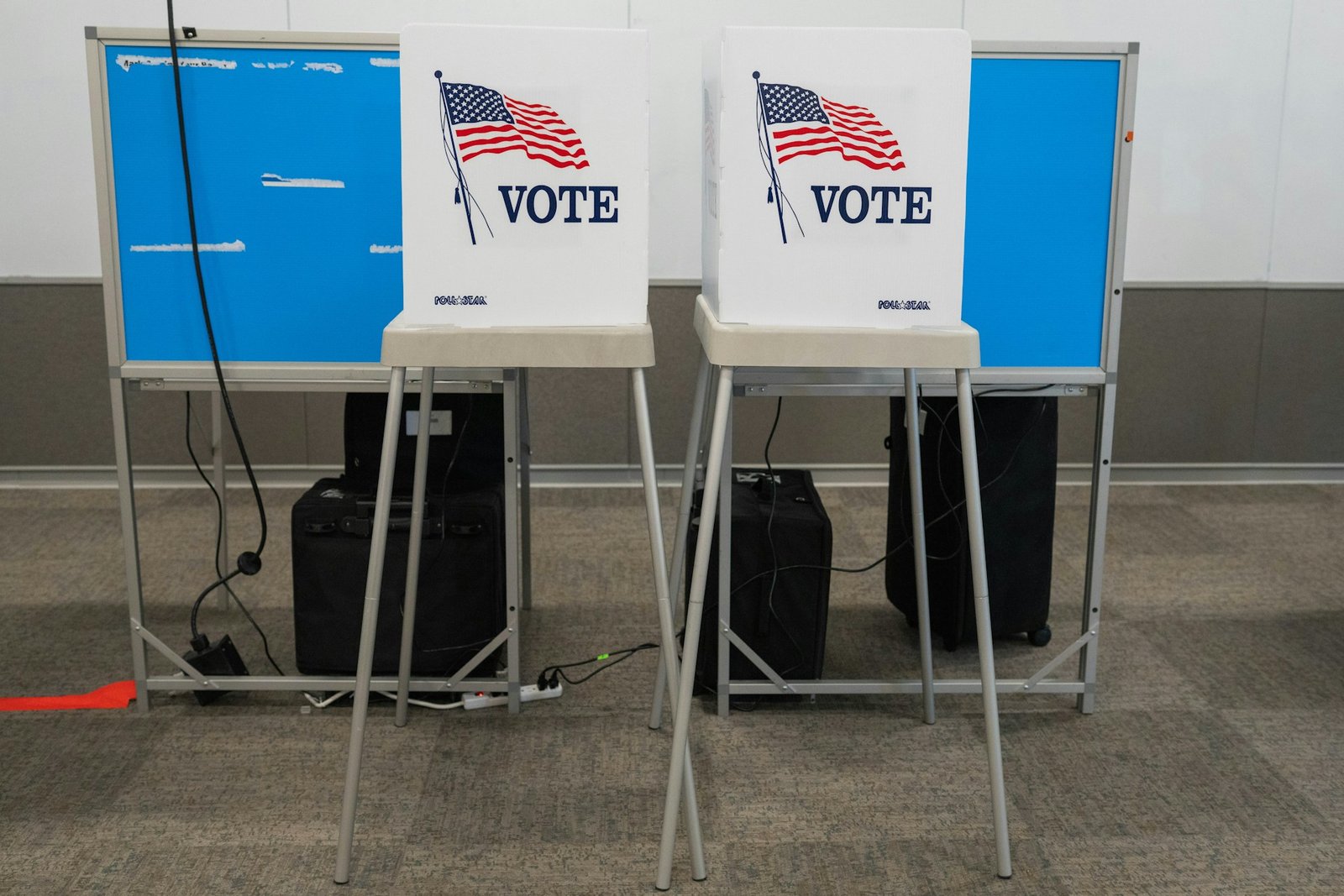

Democrats secured control of both chambers of the US Congress in the November 3 midterm elections, reversing Republican majorities in the House of Representatives and Senate and establishing a divided federal government.
The party flipped at least seven Senate seats, including victories in Texas, Kansas, Iowa, Ohio, Maine, North Carolina and South Carolina, according to election results reported by the Associated Press.
Democrats also gained more than two dozen House districts, including several constituencies that supported Trump by substantial margins in the 2024 presidential election.
The results mark a significant change in congressional leadership as the administration enters the second half of Trump’s second presidential term.
Economic Concerns Shape Election Results
The cost of living, energy prices and the conflict involving Iran emerged as major issues during the campaign.
According to the Associated Press Voter Poll, many voters expressed dissatisfaction with economic conditions and supported greater congressional oversight of the executive branch.
Democratic candidates also secured governorships in several states previously controlled by Republicans, including Texas, Georgia, Ohio and Iowa.
While some congressional races remained unresolved Wednesday morning, projections from major news organizations established Democratic control of both chambers.
What Democratic Control Means for Trump’s Agenda
The new congressional majority will have greater authority to influence federal legislation, budget negotiations and regulatory priorities.
Democrats will be positioned to challenge proposed tax changes, scrutinize government spending and conduct investigations into administration policies.
Control of the Senate will also give the party authority over confirmation proceedings for presidential nominees, subject to the chamber’s procedural rules.
However, Trump will retain presidential veto authority, and major legislative initiatives may require negotiations between the White House and congressional leaders.
The new Congress is scheduled to convene in January 2027.
The election results establish a new balance of power in Washington, with Democrats controlling the legislative branch and Republicans retaining the presidency. The composition of the incoming Congress will influence negotiations over fiscal policy, federal regulation and government oversight during the remainder of Trump’s term.