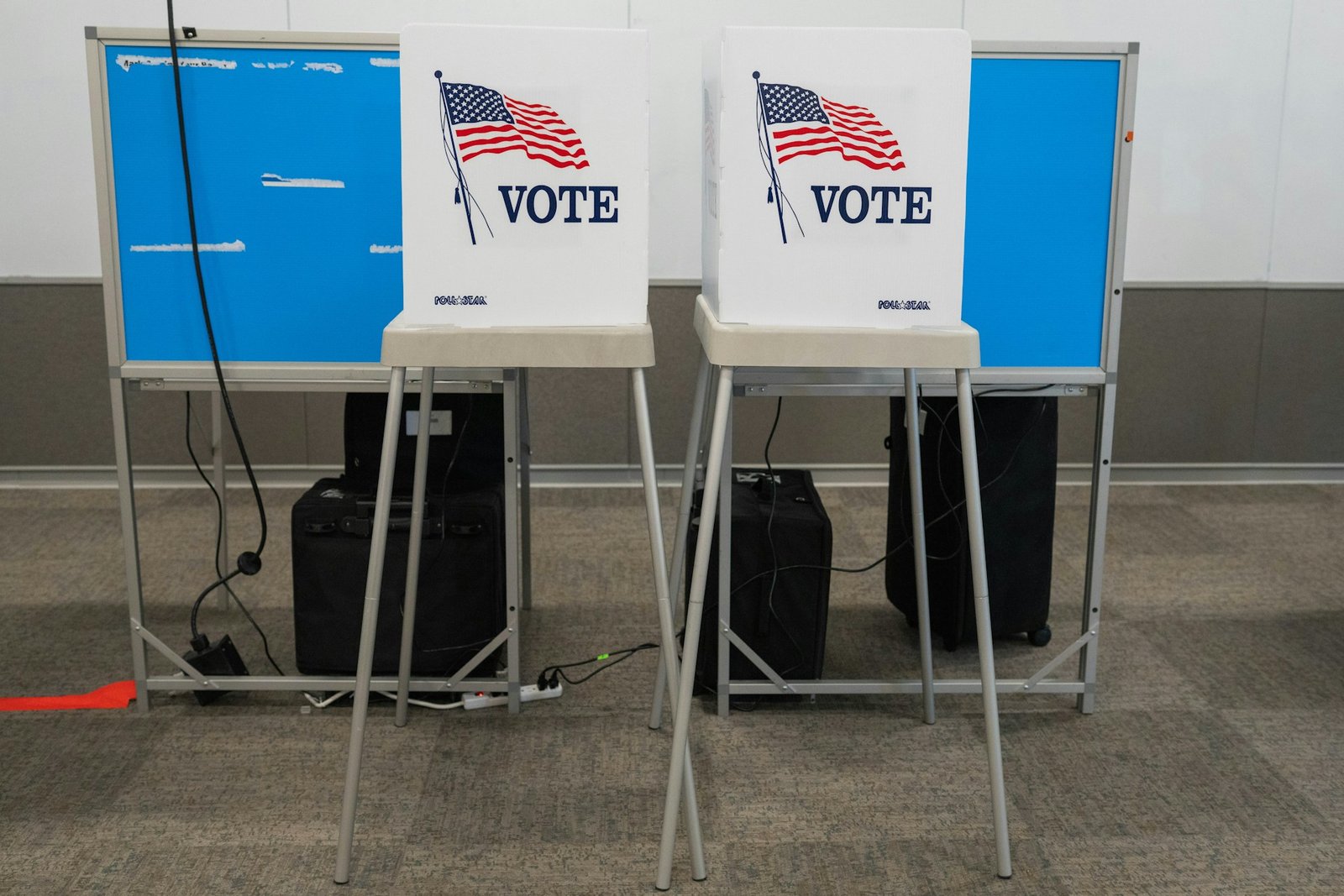

US stocks rallied sharply on Wednesday, November 4, after Democrats secured control of both chambers of Congress in the midterm elections, ending Republican majorities in the House of Representatives and Senate.
The Dow Jones Industrial Average advanced approximately 1,100 points in morning trading, while the S&P 500 gained 1.2% and the Nasdaq Composite rose 1.1%, according to market data reported during the session.
The gains followed President Donald Trump’s acceptance of the election results, reducing concerns about a prolonged political dispute.
Investors Assess Changes to US Economic Policy
The Democratic victory establishes a divided government, with the party controlling Congress while Trump remains in the White House.
Market participants are evaluating how the new congressional balance could affect tax legislation, federal spending, trade policy and regulatory oversight.
A Democratic-controlled Congress could limit the administration’s ability to advance additional tax cuts and spending measures. It could also increase scrutiny of artificial intelligence companies and data center development.
However, the extent of any legislative changes will depend on negotiations between Congress and the administration.
Technology and Healthcare Stocks Show Mixed Performance
Major US companies recorded divergent share-price movements during Wednesday’s session.
Apple and Microsoft each advanced 4.6%, while Amazon gained 6.4%. JPMorgan Chase rose 2.6%, and pharmaceutical company Eli Lilly added 1.6%.
Healthcare insurers and hospital operators also attracted investor interest as markets assessed potential changes to federal healthcare policy.
Meanwhile, several technology and energy companies declined.
Tesla fell 5.4%, Nvidia dropped 2.6%, and Micron Technology lost 3.9%, amid concerns about additional oversight of artificial intelligence infrastructure.
ExxonMobil declined 3.6%, with energy stocks among the session’s weakest performers.
The market response reflected changes in investor expectations following the election results. Corporate earnings, interest rates and the direction of economic policy remain additional factors influencing US equities.