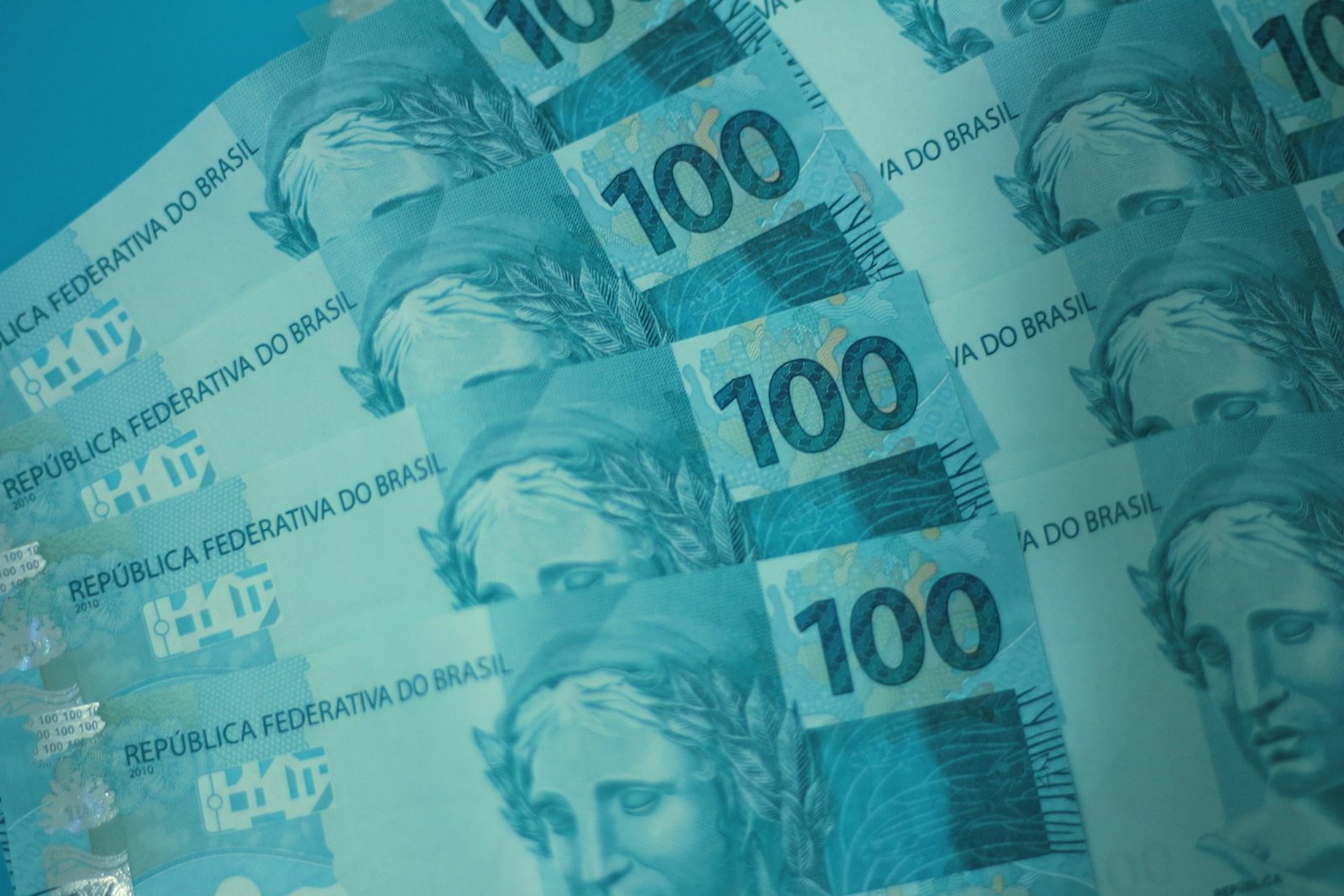

Brazilian financial markets experienced a sharp sell-off on Monday, October 26, following President Luiz Inácio Lula da Silva’s unexpected reelection, as investors reassessed expectations for fiscal policy, public spending and economic reforms.
The U.S. dollar climbed more than 12% against the Brazilian real, reaching approximately 5.60 reais, its highest level since mid-2025.
Brazil’s benchmark Ibovespa index dropped 10%, triggering a circuit breaker that temporarily suspended trading on the B3 stock exchange.
The market reaction followed Lula’s victory over Senator Flávio Bolsonaro in Sunday’s presidential runoff, reversing expectations among investors who had anticipated a change in government.
Currency and Equity Markets Face Heavy Selling
The Brazilian real was among the assets most affected by the election outcome, with the dollar rising sharply as investors adjusted their positions.
The move represented a significant reversal from the currency’s performance in the weeks preceding the election.
According to Reuters, Brazilian stocks had ended Friday nearly 7% above their levels before the first round of voting, while the real had strengthened by almost 5% against the dollar.
Those gains had been supported by expectations that a potential Bolsonaro administration would pursue tighter fiscal policies and reforms aimed at reducing government spending.
Monday’s decline reflected the rapid adjustment of those expectations following the election result.
Brazilian assets also came under pressure in international markets. Shares of Brazilian companies listed in the United States declined, while the iShares MSCI Brazil exchange-traded fund experienced substantial losses in premarket trading.
Fiscal Policy Returns to the Center of Investor Attention
The election outcome has renewed attention on Brazil’s public finances, particularly the government’s ability to stabilize debt while maintaining social programs and public investment.
Brazil’s public debt exceeds 82% of gross domestic product, according to figures cited by Reuters, creating challenges for fiscal management and borrowing costs.
Lula’s economic agenda includes a target for a primary budget surplus of approximately 1.3% of GDP by 2030.
However, investors are seeking additional details about how the administration intends to balance spending commitments with measures to improve fiscal sustainability.
A credible fiscal strategy could help contain government borrowing costs, while uncertainty over future spending and debt levels may continue to influence financial conditions.
The immediate market reaction reflects expectations and risk assessments rather than confirmation that the country’s fiscal position has already deteriorated.
Investors Await Signals From the New Economic Team
Attention is now turning to the government’s economic appointments and its plans for the 2027 federal budget.
The selection of a finance minister is expected to provide an early indication of the administration’s approach to public spending, taxation and fiscal consolidation.
Investors will also monitor the government’s ability to work with an opposition-leaning Congress, which will play an important role in determining the direction of economic legislation.
According to Reuters, analysts at Barclays and other financial institutions had anticipated significant volatility following the election result.
The uncertainty has been compounded by Bolsonaro’s refusal to concede defeat and his stated intention to challenge the election outcome.
Market Volatility Could Affect Financing Conditions
A weaker currency can increase the cost of imported goods and foreign-currency obligations, potentially affecting inflation expectations and business expenses.
At the same time, higher yields on government debt can raise financing costs across the economy, influencing credit conditions for businesses and households.
For international investors, Brazil remains a major emerging market with significant exposure to commodities, financial services and domestic consumption.
The country’s economic outlook will depend on a combination of fiscal policy, monetary conditions, global demand and the performance of key export sectors.
While Monday’s sell-off reflects immediate market concerns, the longer-term direction of Brazilian assets will depend on the government’s policy decisions and its ability to establish confidence in the country’s fiscal framework.