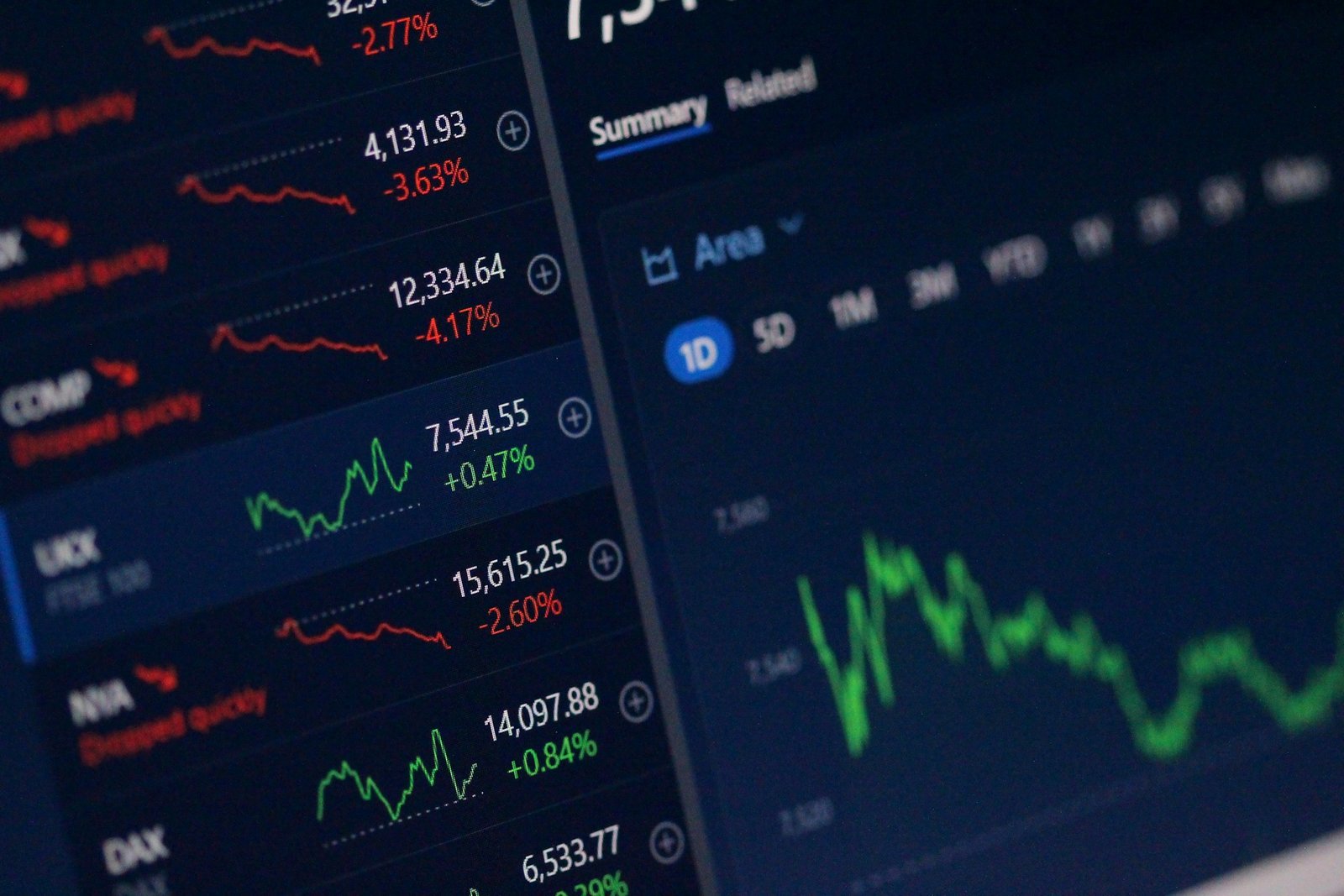

U.S. stock futures fell on Thursday as a renewed selloff in government bonds pushed Treasury yields to their highest levels in nearly two decades, adding pressure to technology shares as stronger economic data and higher energy prices reinforced expectations that the Federal Reserve could raise interest rates again.
Futures tied to the S&P 500 fell about 0.5%, Nasdaq 100 contracts dropped around 1% and Dow futures declined 0.3% in morning trading.
The losses extended Wednesday’s retreat, when all three major U.S. indexes closed lower as rising oil prices and Treasury yields weighed on equities.
Strong Economic Data Pushes Treasury Yields Higher
The latest pressure originated largely in the bond market after U.S. business activity data showed continued economic strength alongside accelerating price pressures.
S&P Global’s preliminary September PMI showed U.S. business activity expanding at its fastest pace in more than five years. The stronger data increased expectations that the Federal Reserve could continue tightening monetary policy after raising its benchmark rate earlier this month.
The benchmark 10-year Treasury yield climbed above 5.1%, reaching its highest level since 2007. The rise in yields was also reinforced by a weak auction of five-year Treasury notes on Wednesday.
Markets were pricing roughly a 70% probability of another quarter-point Fed increase in October on Thursday morning, up from around 50% earlier in the week.
Oil Rebound Adds to Inflation Concerns
Energy prices have become another important variable for interest-rate expectations.
Oil rebounded after its recent decline as diplomatic efforts surrounding the U.S.-Iran conflict showed limited progress, renewing concerns about Middle Eastern energy supplies. Brent crude was trading around $105 a barrel early Thursday.
The combination of resilient economic growth and elevated energy costs has increased concern that inflation could remain persistent, potentially requiring interest rates to stay higher for longer.
AI and Technology Stocks Face Renewed Pressure
Higher borrowing costs weighed particularly heavily on technology companies and the broader AI sector.
Nvidia, Marvell, Intel, Amazon and Alphabet fell between roughly 1% and 3% in premarket trading, as investors reassessed valuations and financing conditions for companies exposed to the capital-intensive expansion of artificial-intelligence infrastructure.
The movement in Treasury yields is especially relevant to the AI investment cycle. Technology companies have been issuing substantial amounts of debt to finance data centers, chips and other computing infrastructure, making the cost of capital an increasingly important factor for the sector.
Meta also fell about 2%, trimming part of its sharp advance earlier this week as investors continued assessing the commercial potential of its new AI agent technology.
The company had surged earlier in the week following enthusiasm surrounding its Muse AI assistant, helping propel the Nasdaq to a record close on Monday.
Bond Market Returns to Center Stage
Thursday’s trading puts Treasury yields back at the center of Wall Street’s attention.
The combination of stronger economic activity, renewed energy-price pressure and expectations for additional Federal Reserve tightening is raising the cost of capital just as technology companies prepare for another wave of spending on artificial-intelligence infrastructure.
For equity markets, that means economic resilience is carrying a more complicated message: stronger growth can support corporate earnings, but if accompanied by persistent inflation, it can also keep interest rates and financing costs elevated.