
Crude oil traded near US$70 per barrel on Wednesday, stabilizing after posting its largest quarterly decline since 2020, as investors weighed diplomatic developments between the United States and Iran against growing evidence of increasing global crude supply.
Market attention remains focused on negotiations taking place in Doha, where U.S. and Iranian officials are seeking to reduce tensions surrounding the Strait of Hormuz, one of the world’s most critical maritime routes for global energy exports. The discussions follow recent military confrontations that temporarily disrupted shipping activity and heightened concerns over potential supply interruptions.
While both governments continue working toward a longer-term framework aimed at easing regional tensions, Iran has reiterated its position regarding oversight of maritime traffic through the strategic waterway. The Strait of Hormuz handles roughly one-fifth of global oil consumption, making developments in the region closely watched by energy markets.
Shipping Routes Reopen
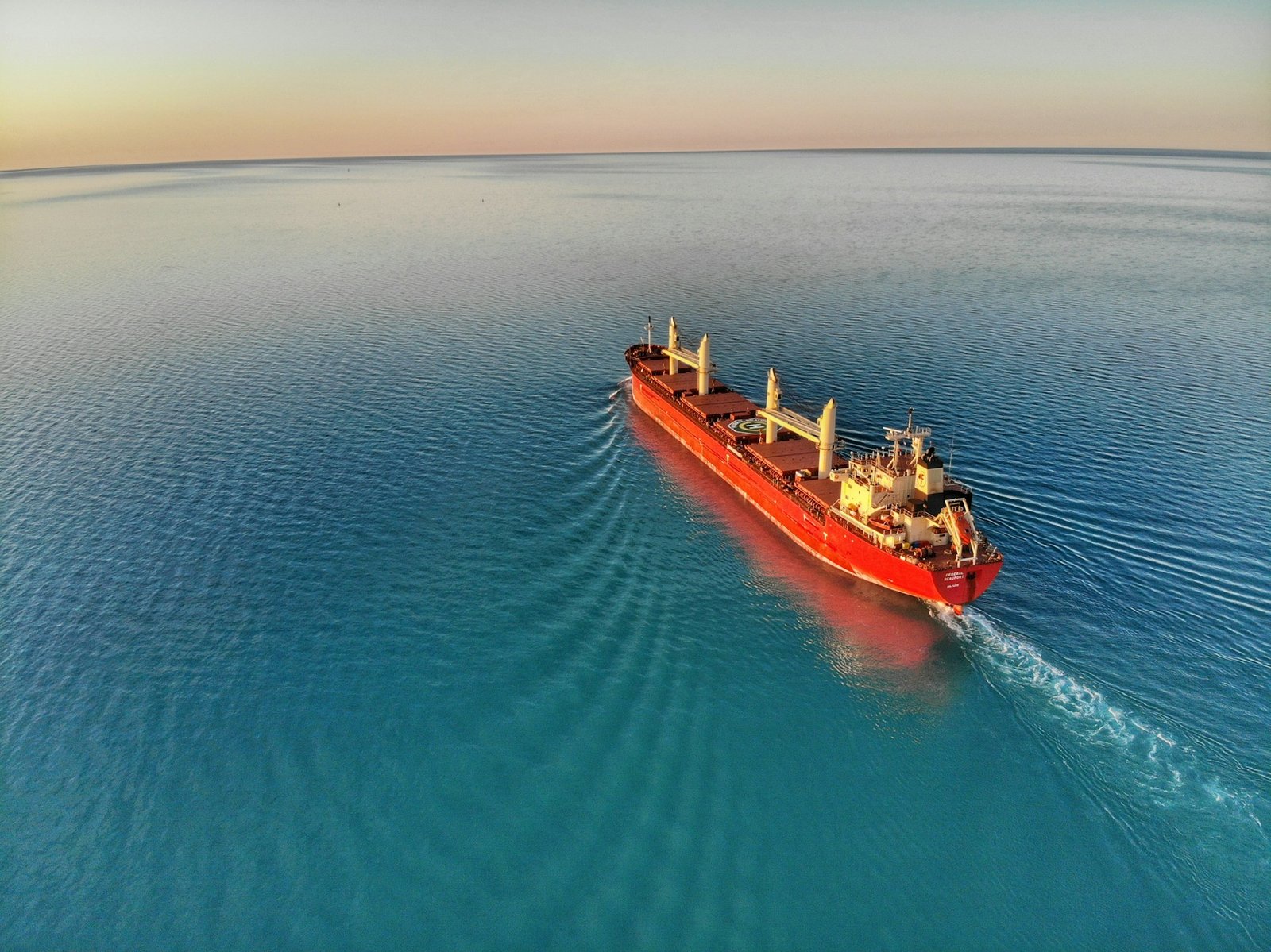
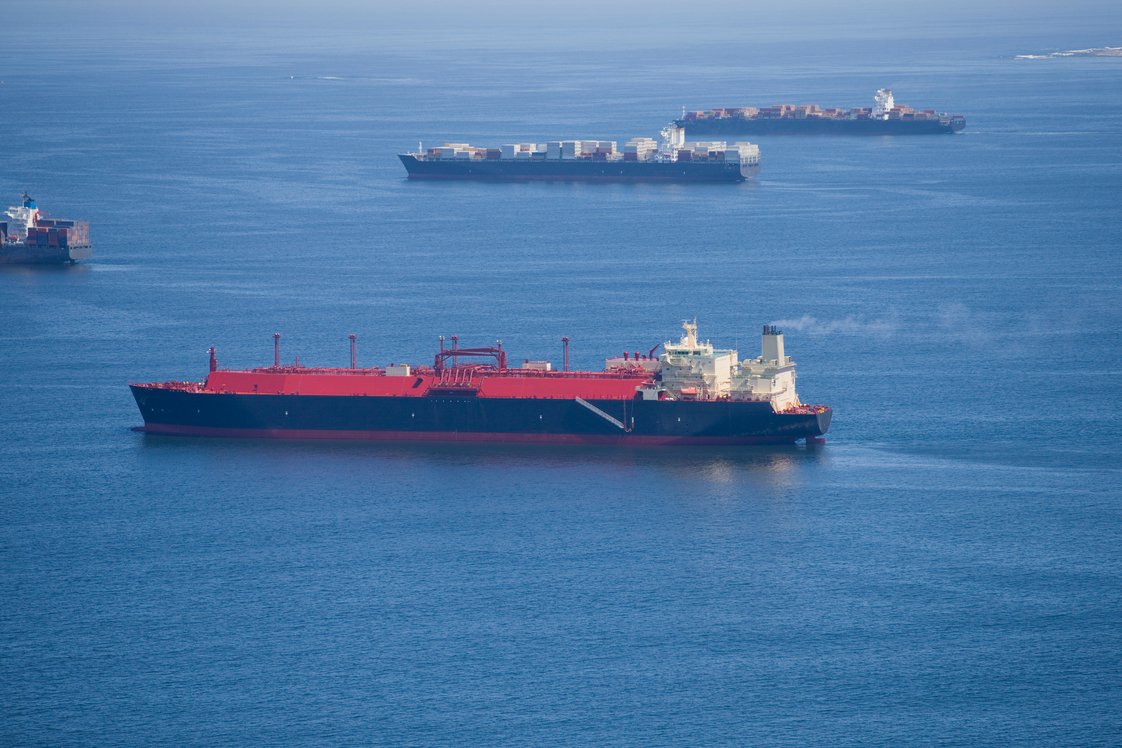
Shipping activity has gradually recovered in recent weeks after the United States and Iran suspended their exchange of fire near the waterway. Oil tanker movements through the Gulf have increased as operators resume normal routes, easing immediate concerns over logistical disruptions that had briefly supported crude prices.
According to Reuters, crude flows through the Strait of Hormuz have been recovering as shipping activity normalizes after recent disruptions, while ship-tracking data have pointed to higher export volumes from some major Gulf producers. Reuters reported that the United Arab Emirates reached record crude and condensate exports in June, based on data from Kpler and Vortexa, adding to market expectations of increased supply availability.
The increase in available supply comes as several producers continue expanding output, while demand growth remains under close scrutiny amid an uncertain global economic outlook. Rising inventories and recovering exports have offset some of the geopolitical risk premium that had previously supported crude prices during periods of heightened tensions in the Middle East.
Oil prices remain sensitive to both geopolitical developments and changes in supply fundamentals. Upcoming developments in the U.S.-Iran negotiations, export volumes from major producing countries, inventory data, and production decisions by key oil exporters are likely to remain among the principal factors influencing energy markets in the coming weeks.