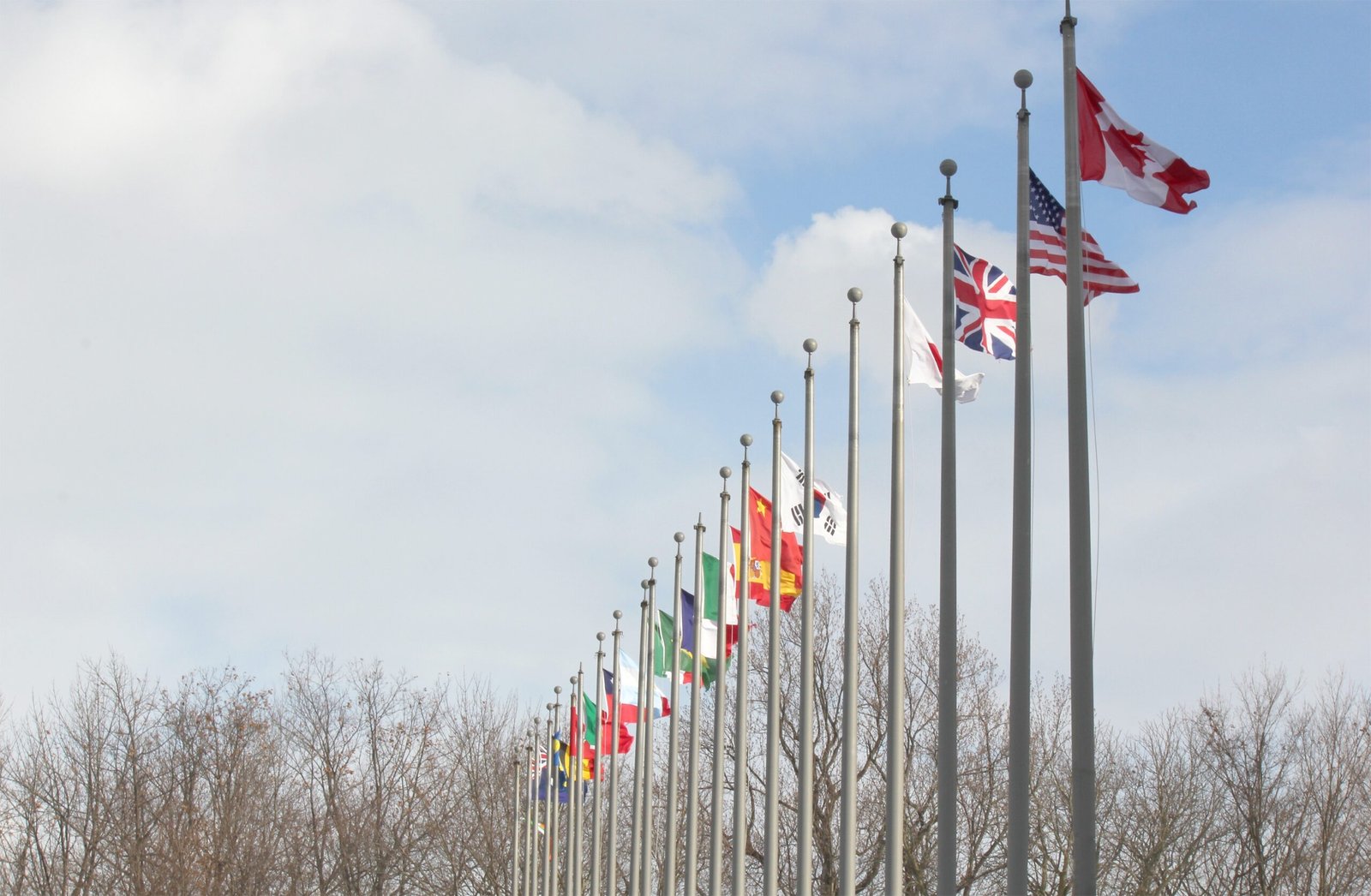

Leaders of major Western economies and allied nations gathered in France on Monday as the recently announced U.S.-Iran agreement emerged as one of the central issues on the agenda of the June 15-17 summit hosted by French President Emmanuel Macron.
In a joint statement released Sunday, leaders welcomed the memorandum of understanding between Washington and Tehran, describing it as a diplomatic breakthrough and a potential opportunity to restore stability in the Middle East and reduce uncertainty in the global economy.
“We warmly welcome the announcement of the memorandum of understanding between the US and Iran,” the leaders said, congratulating the United States, Iran, Pakistan, Qatar, and other mediators involved in the negotiations.
The statement underscored the importance of rapidly finalizing and implementing the agreement, while highlighting the urgent need to reopen the Strait of Hormuz with “unconditional and unrestricted freedom of navigation.”
The signatory countries said they were prepared to support efforts aimed at restoring maritime security in the region, including participation in defensive missions designed to reassure commercial shipping and assist with mine-clearance operations.
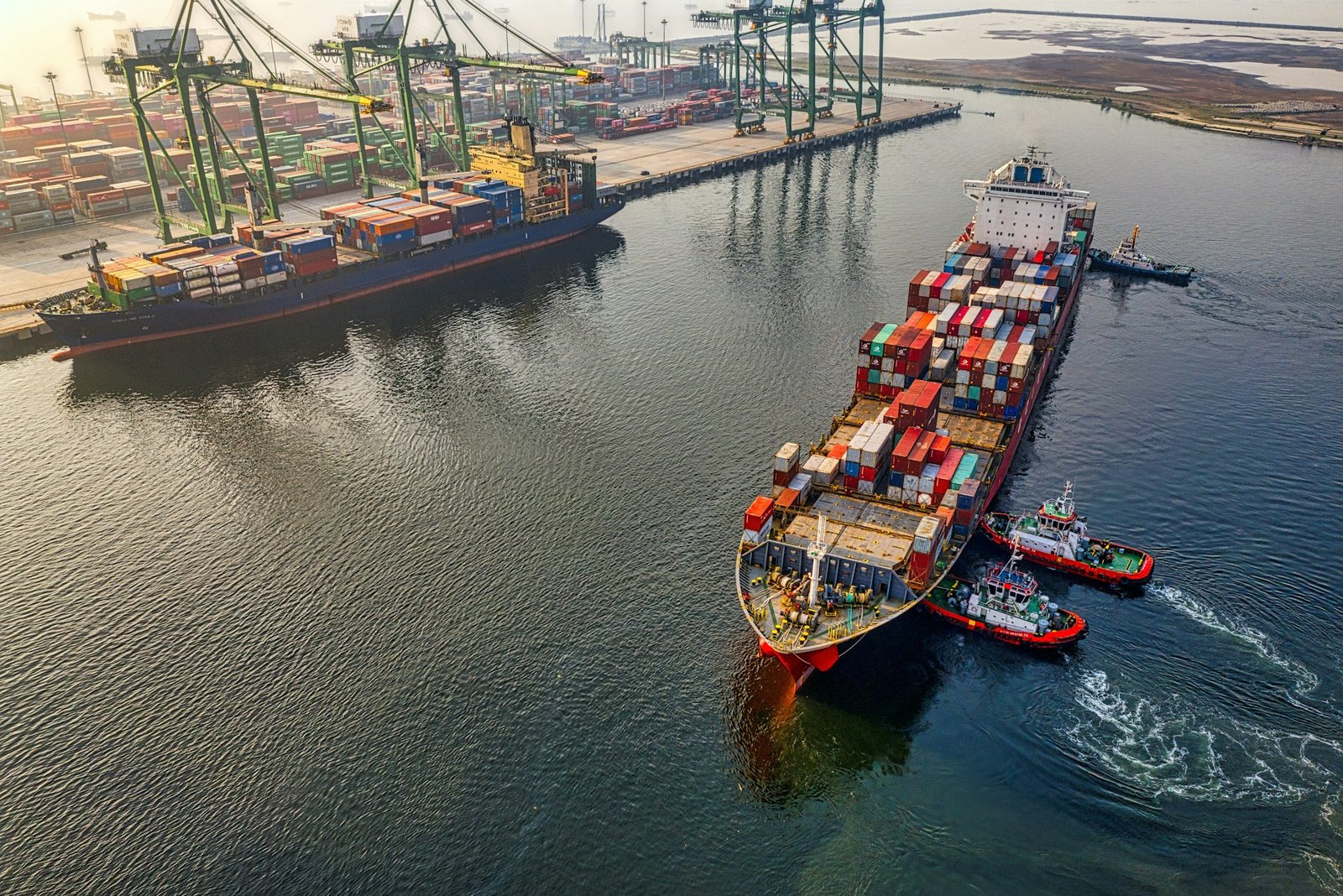
The Strait of Hormuz remains one of the world’s most strategically important maritime corridors, carrying roughly one-fifth of global oil shipments and serving as a critical route for energy exports from the Persian Gulf.
The leaders also reiterated that Iran must not acquire a nuclear weapon and expressed support for working alongside the United States, Iran, and the International Atomic Energy Agency (IAEA) to ensure compliance with any future commitments under the agreement.
The statement further indicated that participating countries would be prepared to lift relevant sanctions in response to what they described as clear and verifiable steps by Iran regarding its nuclear program.
Beyond Iran, leaders are expected to discuss ongoing support for Ukraine, global economic imbalances, supply chain resilience, and efforts to secure access to critical minerals outside China, reflecting broader concerns about economic security and technological competitiveness.
The summit marks one of the first major international gatherings since the announcement of the U.S.-Iran accord and is likely to serve as an early test of international support for the agreement and its implementation.
The joint statement was signed by Australia, Canada, Cyprus, France, Germany, Greece, Italy, Japan, and the United Kingdom.