
WTI crude oil prices moved higher on Monday, recovering part of last week’s losses as investors assessed ongoing uncertainty surrounding negotiations between the United States and Iran and the future stability of global energy supplies.
West Texas Intermediate (WTI) crude futures climbed toward $90 per barrel, supported by renewed concerns that diplomatic efforts to secure a long-term peace agreement between Washington and Tehran may take longer than previously anticipated.
Over the weekend, US and Iranian officials exchanged revised proposals aimed at extending the current ceasefire and reopening the Strait of Hormuz, a critical maritime corridor responsible for a significant share of global oil shipments. However, there was little indication that negotiations had produced a breakthrough, leaving markets cautious about the outlook for regional stability.
President Donald Trump reiterated his administration’s position that Iran must halt its nuclear program and fully restore the Strait of Hormuz as an open international shipping route before a comprehensive agreement can be finalized.
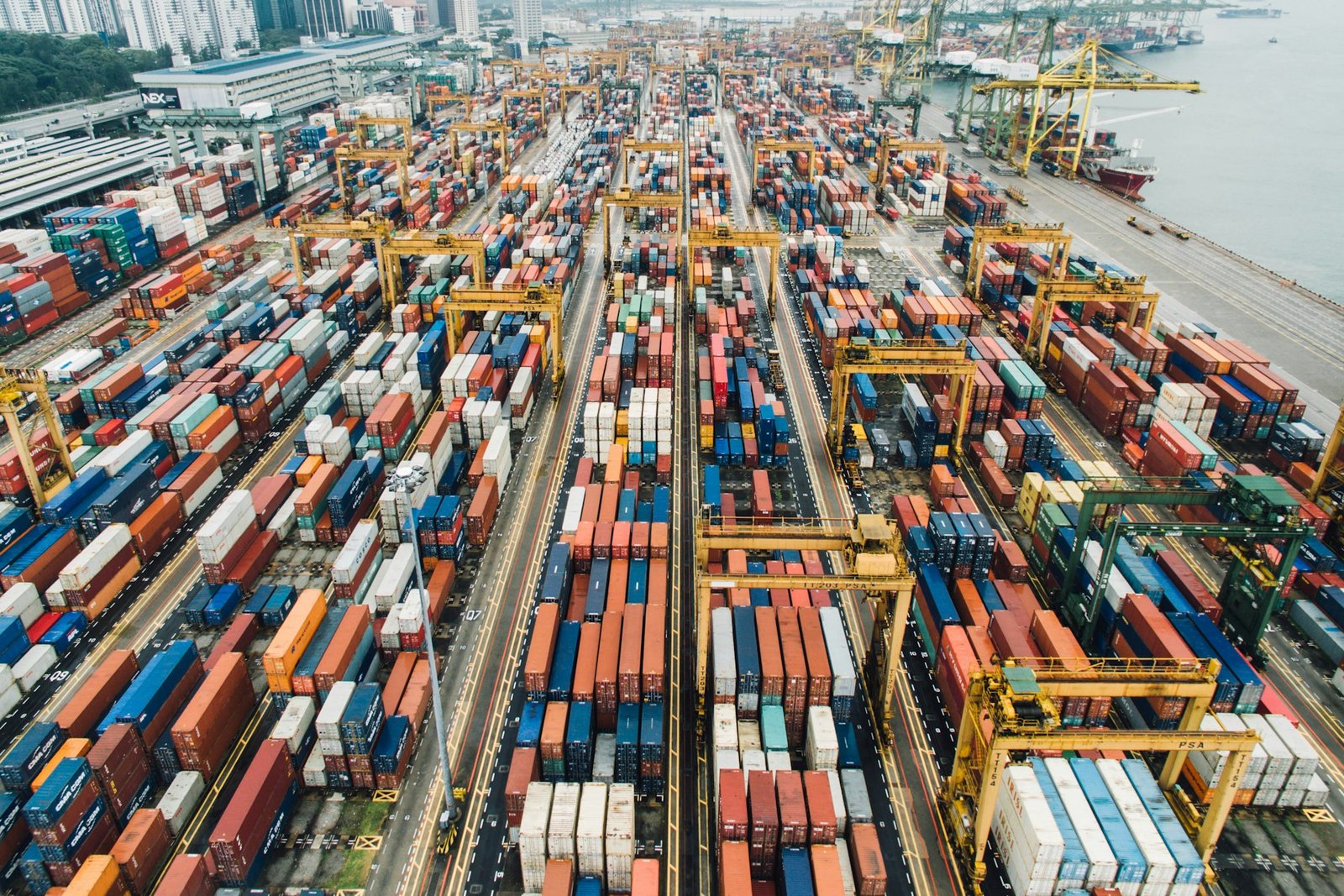
The Strait of Hormuz remains at the center of global energy market concerns. The near-shutdown of the waterway during the recent conflict triggered one of the most significant disruptions to oil transportation in modern history, sending crude prices sharply higher and raising concerns about supply security across international markets.
Although oil prices recorded a monthly decline as investors bet that Washington and Tehran could eventually reach a more durable diplomatic solution, crude remains well above pre-conflict levels, reflecting the lingering geopolitical risk premium embedded in energy markets.
Energy Markets Focus on Supply Risks
Market participants continue to monitor developments in the Middle East, where any delay in reopening key shipping routes or further escalation could tighten global oil supplies and increase volatility across commodity markets.
Analysts note that while diplomatic negotiations have reduced the likelihood of an immediate supply shock, uncertainty surrounding the final terms of a peace agreement continues to support crude prices.
For now, oil markets remain caught between expectations for a longer-term resolution and concerns that disruptions to global energy flows could persist, keeping prices elevated relative to historical levels before the conflict.
As negotiations continue, investors will be watching closely for signs of progress that could influence both energy supply forecasts and the broader outlook for global inflation and economic growth.