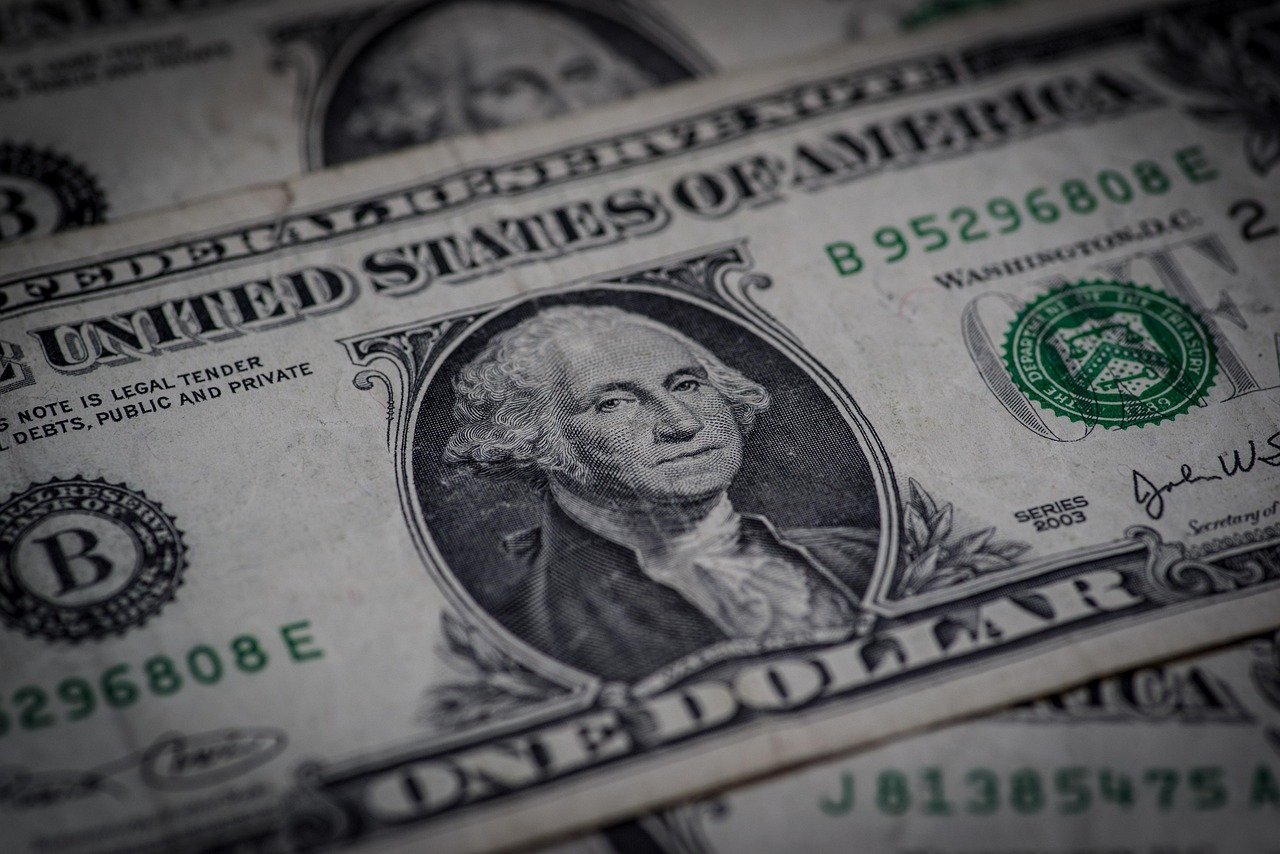

The U.S. dollar strengthened on Monday, with the dollar index climbing back above the 99 level, as markets reacted to escalating geopolitical tensions following the breakdown of negotiations between Washington and Tehran.
The rebound comes after President Donald Trump announced plans to enforce a blockade affecting maritime flows tied to Iran, after weekend talks failed to produce an agreement.
Talks Collapse in Pakistan
Negotiations held in Islamabad ended without progress, with Vice President JD Vance leaving discussions citing Iran’s refusal to accept key conditions related to its nuclear program. Iranian officials, in turn, reportedly sought broader concessions, including influence over the Strait of Hormuz, access to frozen overseas assets, and war-related compensation.
Energy Prices Surge, Supporting Dollar
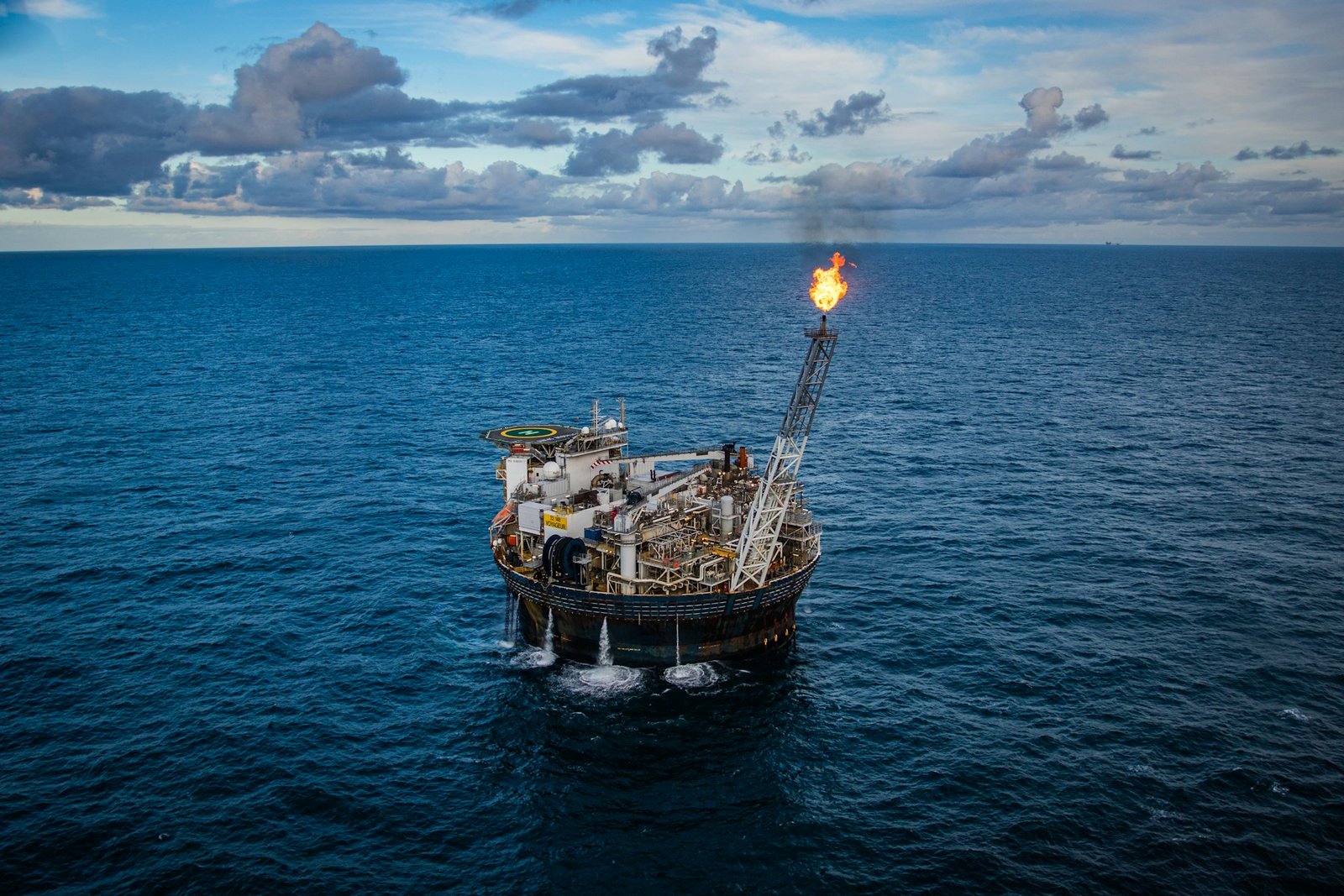
The prospect of restricted access through the Strait of Hormuz—a critical route for global energy shipments—has driven oil prices sharply higher, increasing concerns over supply constraints.
Rising energy costs have reinforced inflation expectations, prompting markets to reassess the outlook for U.S. monetary policy. Investors are increasingly pricing in the possibility that the Federal Reserve may delay planned rate cuts or maintain tighter financial conditions for longer.
Safe-Haven Demand Boosts Greenback
Amid heightened uncertainty, the U.S. dollar has attracted renewed demand as a safe-haven asset. The currency’s strength reflects a broader shift toward defensive positioning, as investors navigate volatility across commodities and global equities.
Focus Turns to Next Developments
Market participants are closely monitoring further updates from the United States Central Command regarding maritime operations, as well as any response from Iranian authorities that could influence the trajectory of the الأزمة.