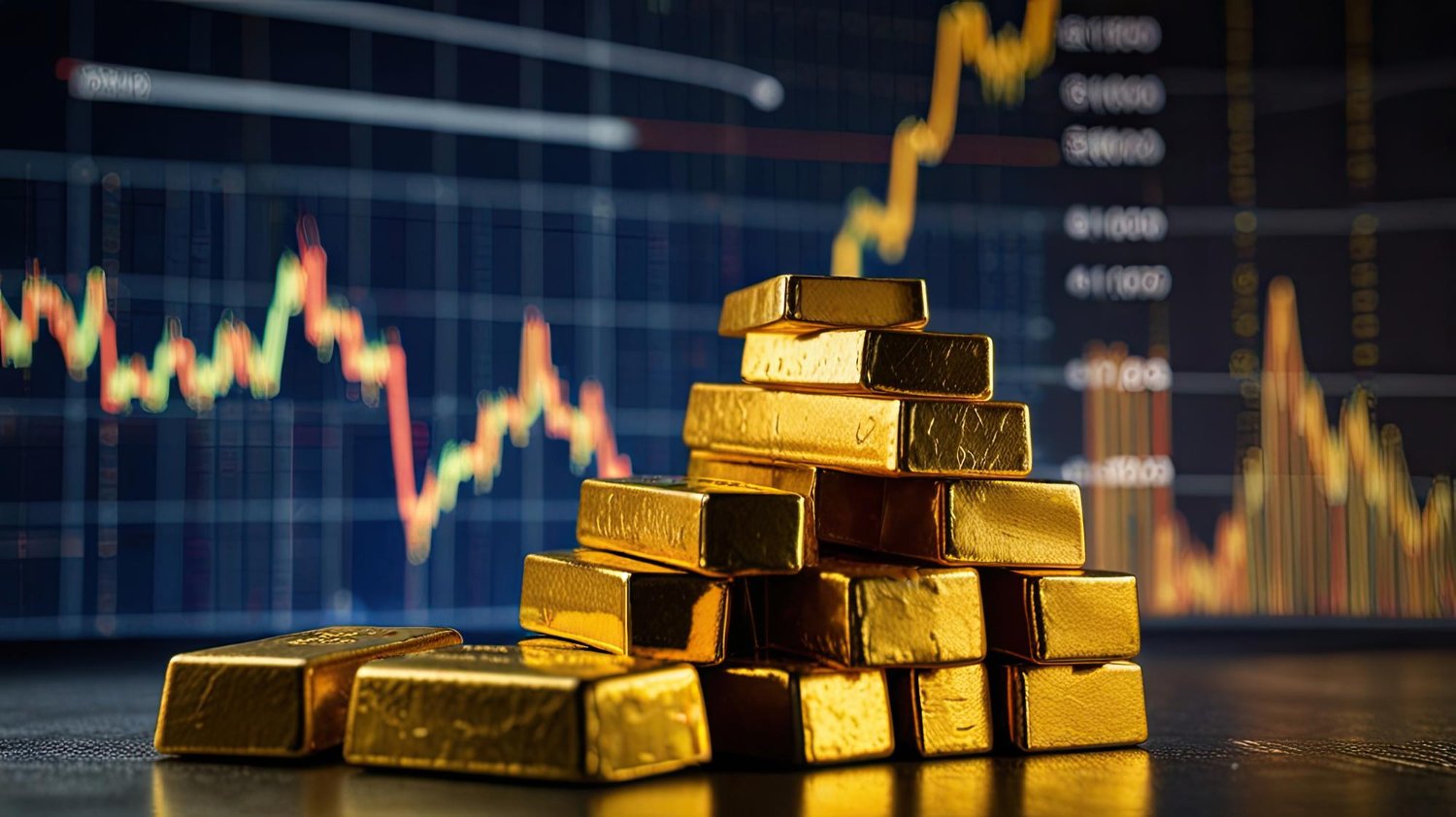

Gold prices steadied around $4,650 per ounce on Tuesday after two consecutive sessions of decline, as investors reassessed geopolitical risks following renewed threats from Donald Trump against Iran.
The stabilization comes amid heightened uncertainty over the economic consequences of a prolonged conflict in the Middle East, with markets balancing safe-haven demand against rising inflation and shifting interest rate expectations.
Geopolitical Tensions Drive Market Sentiment
President Trump warned that the United States could target Iranian civilian infrastructure — including power plants and bridges — if his conditions are not met by 8 p.m. Eastern Time, notably the reopening of the Strait of Hormuz.
The escalation has overshadowed tentative diplomatic signals suggesting that Washington and Tehran may be moving closer to a ceasefire agreement through international mediators.
Gold Under Pressure Despite Safe-Haven Role
Despite traditionally benefiting from geopolitical uncertainty, gold has declined approximately 12% since the onset of the Iran-related conflict.
The primary driver behind this counterintuitive move has been the surge in energy prices, which has intensified global inflation concerns and altered expectations for monetary policy.
Interest Rate Outlook Shifts
Rising inflation linked to energy market disruptions has led investors to reassess the policy trajectory of the Federal Reserve.
Markets are now pricing in a more hawkish stance, with expectations that the Federal Reserve will hold interest rates steady through the remainder of the year — a significant shift from earlier forecasts that anticipated at least two rate cuts.
Higher-for-longer interest rates typically weigh on gold, as they increase the opportunity cost of holding non-yielding assets.
Strait of Hormuz: A Critical Variable
At the center of the geopolitical risk premium is the Strait of Hormuz, a strategic artery for global energy flows. Any disruption in the region could further elevate oil prices, deepen inflationary pressures, and reinforce the current macroeconomic environment unfavorable to gold.