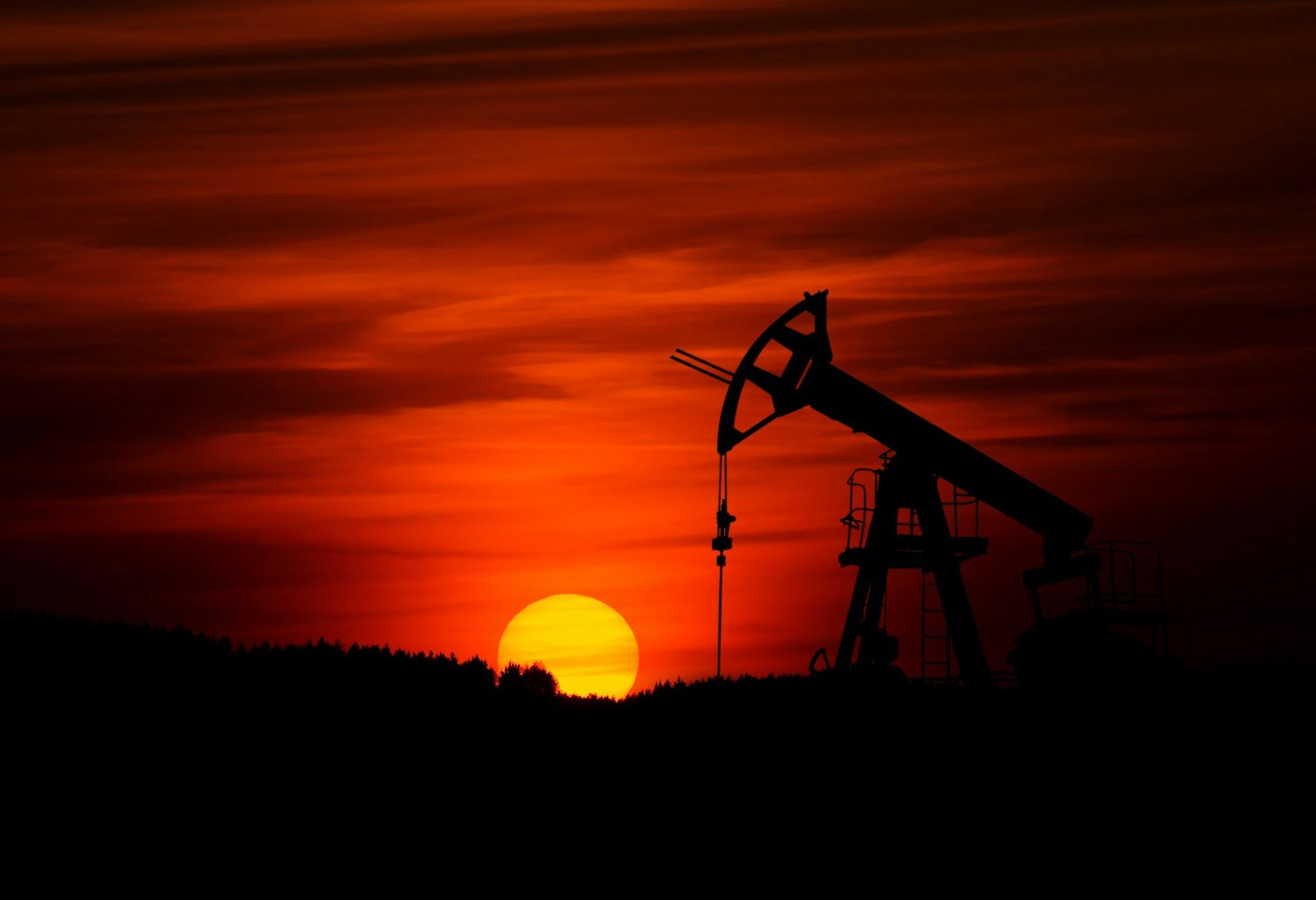

Oil markets opened the week under renewed pressure, with West Texas Intermediate (WTI) trading above $101 per barrel and Brent crude approaching $115, as escalating geopolitical tensions in the Middle East continue to drive volatility across global energy markets.
The latest price surge reflects growing investor skepticism over any near-term resolution to the ongoing Iran war, now entering its fifth week, with risks expanding beyond initial conflict zones.
Conflict Expansion Fuels Market Anxiety
Market sentiment shifted sharply after Iran-backed Houthi militants in Yemen officially entered the conflict, launching missile and drone attacks that broaden the regional scope of the war.
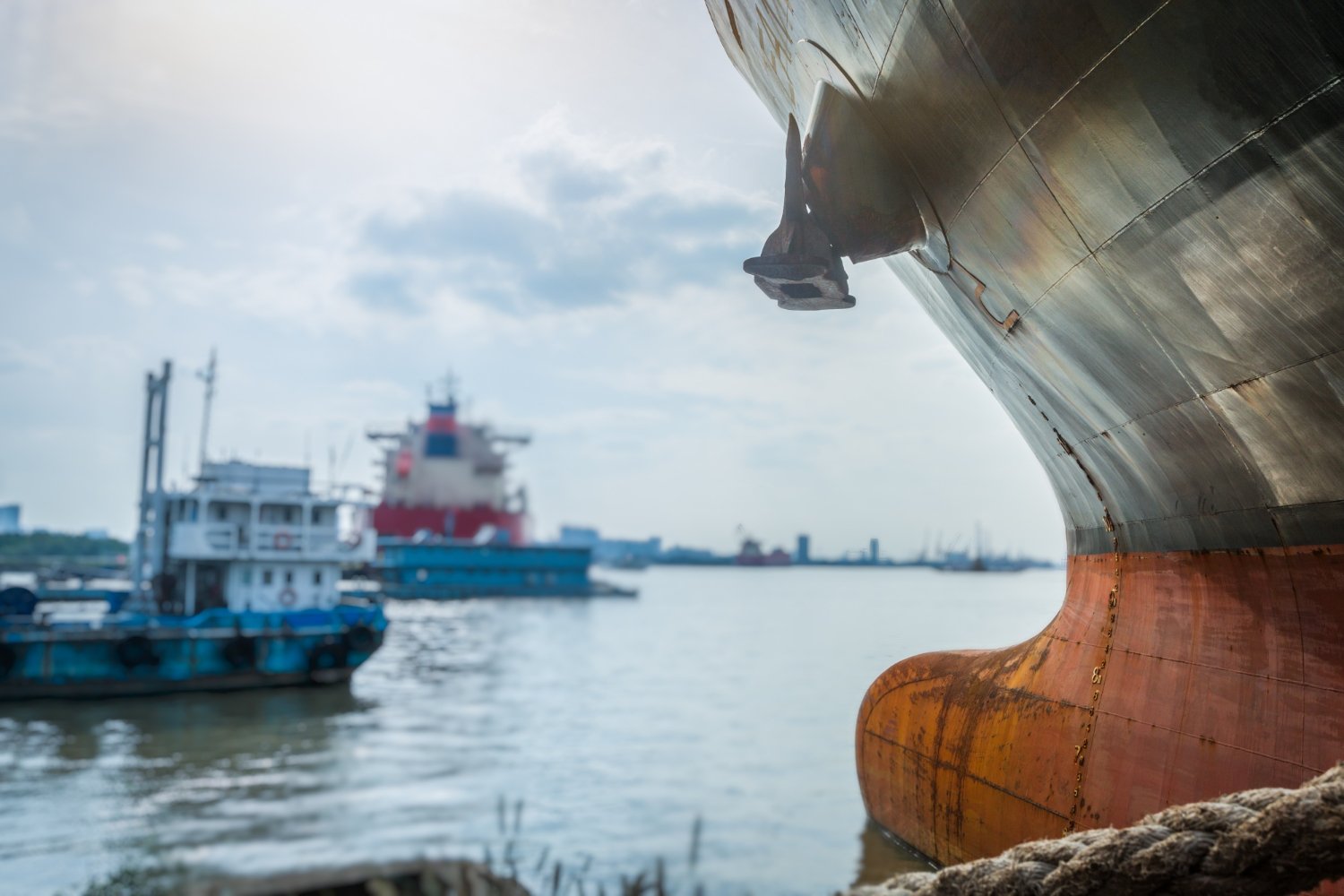
The escalation has raised concerns about potential disruptions to critical shipping routes, particularly around the Red Sea and Bab el-Mandeb corridor—key arteries for global energy trade.
Analysts warn that the widening conflict significantly increases the risk premium embedded in oil prices, as traders reassess supply stability across the region.
Strategic Threats to Global Oil Infrastructure
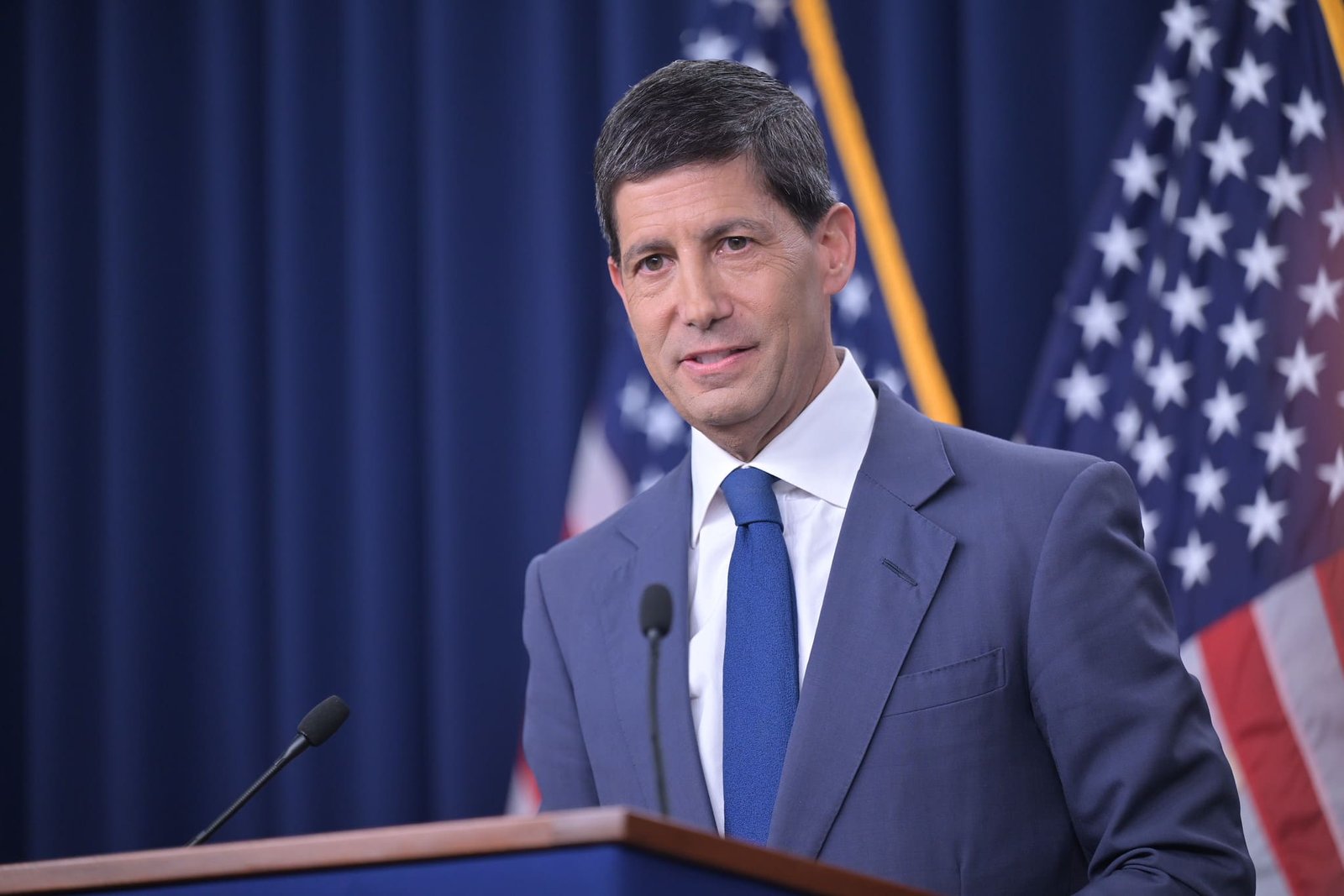
Further amplifying market fears, U.S. President Donald Trump signaled a more aggressive stance, stating that the United States could “take the oil in Iran” and even consider seizing Kharg Island, the country’s primary oil export hub.
Kharg Island is a strategic asset responsible for handling a substantial portion of Iran’s crude exports, making it a critical node in global supply chains. Any disruption or military action targeting the island could have immediate and severe consequences for oil availability worldwide.
Supply Disruptions and Global Impact
The broader geopolitical backdrop continues to tighten supply conditions. The Strait of Hormuz—through which roughly 20% of global oil flows—has faced severe disruptions, with shipping activity significantly reduced amid ongoing hostilities.
As a result, oil prices have surged at one of the fastest paces in decades, with Brent crude posting one of its strongest monthly gains on record.
Governments and institutions are already responding. The International Energy Agency has moved to release strategic reserves, while global markets brace for secondary effects, including rising inflation, higher fuel costs, and broader economic volatility.