
The global economy enters 2026 facing a new reality: volatility is no longer episodic—it has become structural. After years of monetary tightening, geopolitical fragmentation, and technological acceleration, global capital markets are being reshaped by forces that extend well beyond traditional economic cycles.
According to the International Monetary Fund, global growth in 2026 is expected to remain uneven, with emerging and frontier markets increasingly outperforming mature economies in relative terms. Meanwhile, advanced economies continue to grapple with elevated debt levels, demographic pressures, and the long-term effects of higher interest rates.
What differentiates this moment is not slowdown, but reallocation.
Discover private jet alternatives for luxury travelers
From Growth to Resilience
Smart capital in 2026 is prioritizing resilience over acceleration. Investors are rotating away from purely growth-driven strategies toward assets and regions capable of delivering predictable cash flows, regulatory stability, and geopolitical insulation.
The World Bank has highlighted a renewed concentration of investment in countries offering energy security, strategic commodities, and advanced infrastructure—particularly those positioned within reconfigured global supply chains.
This explains the sustained interest in North America, select European hubs, and parts of the Middle East and Southeast Asia, where capital benefits from legal clarity and long-term policy alignment.
Interest Rates, Liquidity, and the New Cost of Capital
While inflationary pressures have moderated in several regions, interest rates remain structurally higher than in the previous decade. This has permanently altered the cost of capital.
In response, institutional investors and family offices are favoring private credit, structured debt, and asset-backed financing, rather than traditional fixed income alone. According to data referenced by the OECD, private markets now represent a central pillar of global capital allocation strategies.
Liquidity, once taken for granted, has become a strategic variable. Capital in 2026 values flexibility—the ability to reposition quickly across asset classes and jurisdictions.
Geopolitics as an Investment Variable
Geopolitical risk is no longer a background consideration; it is a core input in portfolio construction. Trade realignments, tariff regimes, sanctions, and regional conflicts are actively shaping investment decisions.
Supply chain “friendshoring” and “nearshoring” trends continue to redirect capital toward politically aligned economies, reinforcing a bifurcated global system. Investors are increasingly assigning a geopolitical risk premium to assets, favoring jurisdictions perceived as neutral, stable, or strategically indispensable.
Technology, Energy, and Strategic Assets
Artificial intelligence, data infrastructure, and energy transition assets remain magnets for long-term capital. However, in 2026, investors are more selective—prioritizing profitability, regulatory compliance, and scalability over speculative growth narratives.
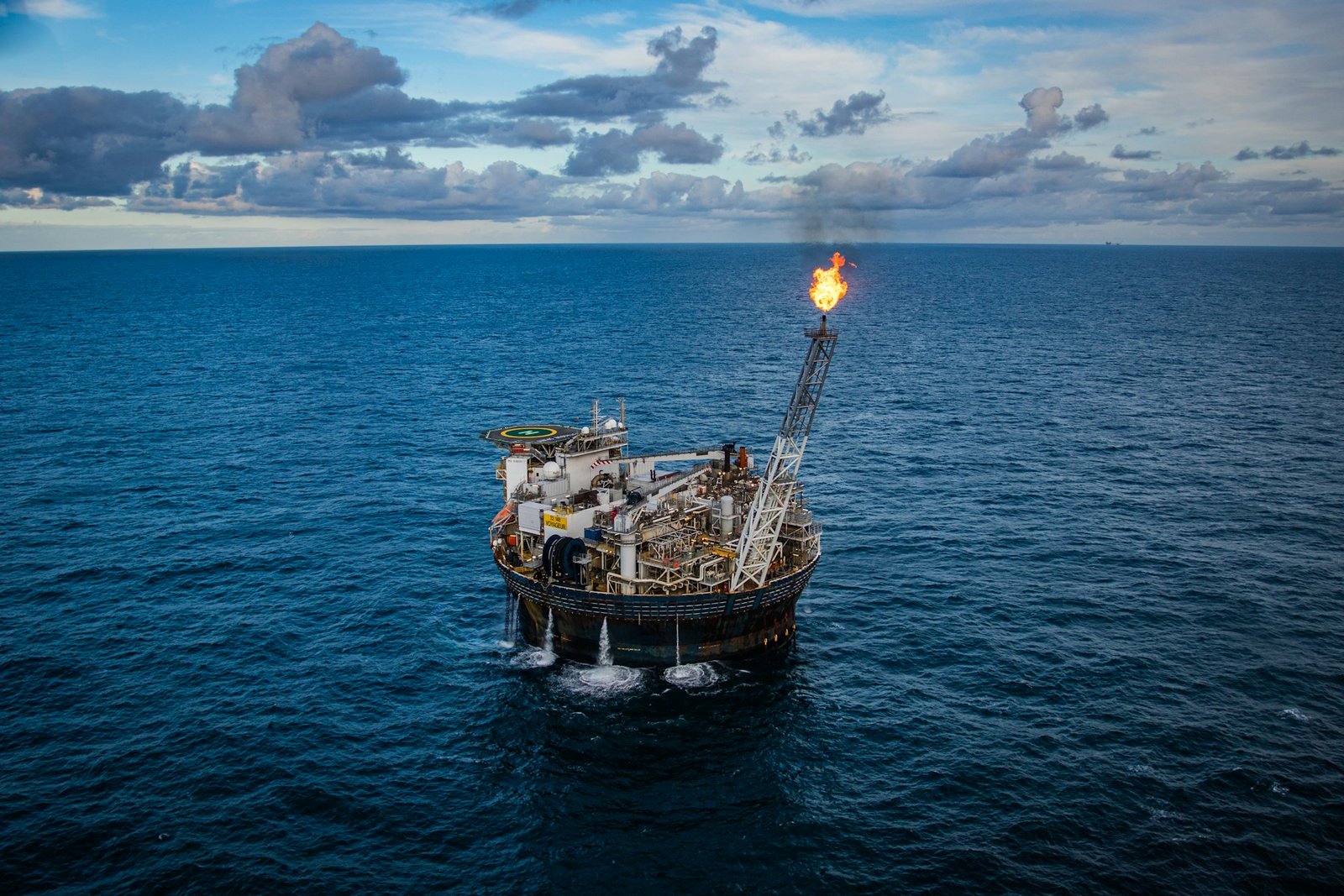
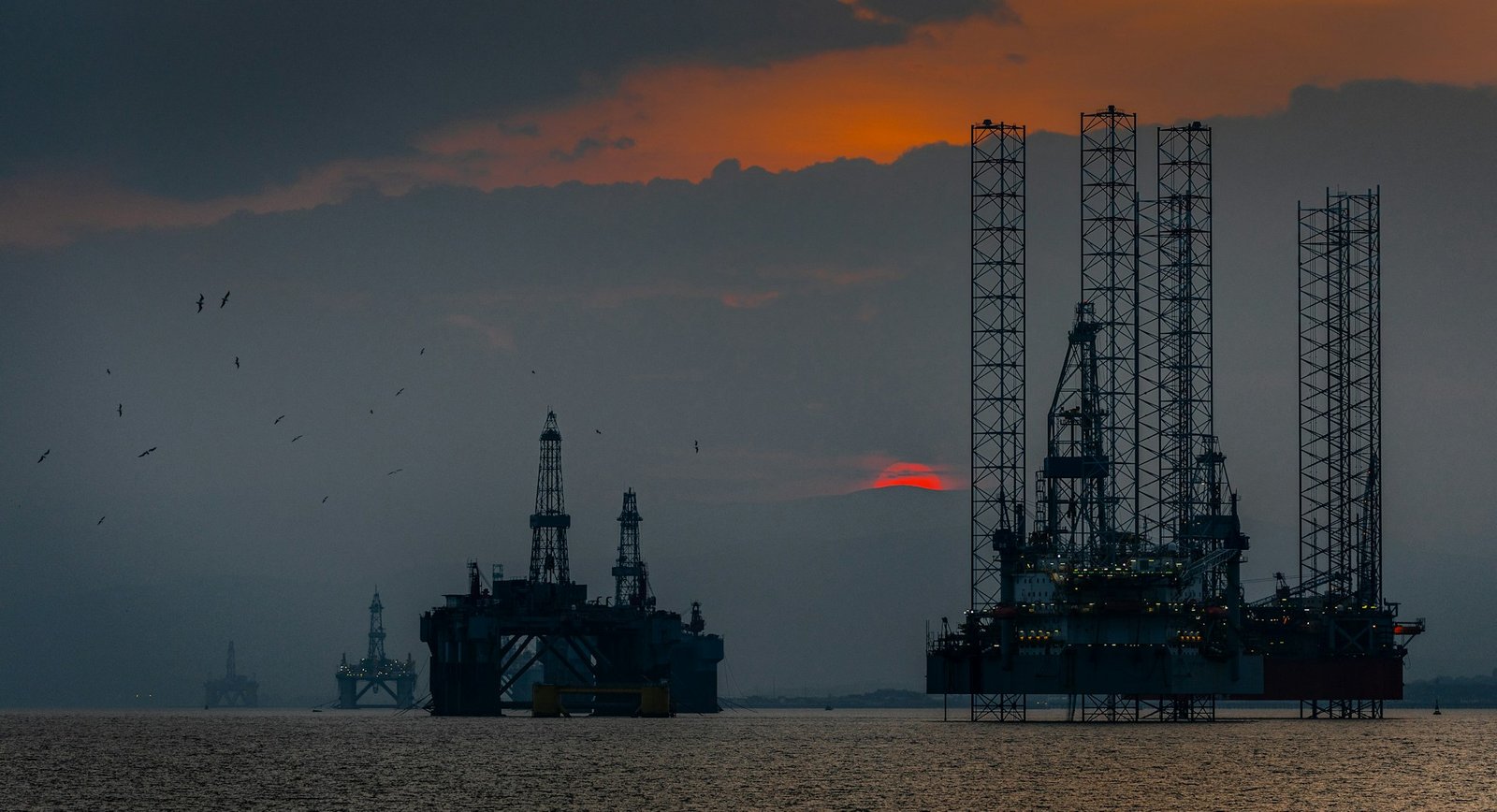
Energy security has re-emerged as a strategic investment theme, particularly in renewables, grid modernization, and transitional fuels. These sectors are now viewed not only as ESG plays, but as geopolitical hedges.
The Strategic Question for 2026
For sophisticated investors, the question in 2026 is no longer where growth is highest, but where capital is safest, most mobile, and best positioned to endure systemic shocks.
Those aligning macroeconomic intelligence, geopolitical awareness, and jurisdictional diversification are building portfolios designed not just to perform—but to survive and compound across cycles.
In a world defined by fragmentation and transformation, smart capital is not chasing certainty. It is engineering resilience.
Sources: IMF, World Bank, OECD, Reuters, Bloomberg
Disclaimer
Money In Focus is an independent journalism platform. Content is provided for informational purposes only and does not constitute investment, legal, or tax advice. Readers should conduct independent research and consult qualified professionals when making financial decisions.
Sources & Official References
International Monetary Fund (IMF)
World Economic Outlook (WEO)
https://www.imf.org/en/Publications/WEOGlobal Financial Stability Report
https://www.imf.org/en/Publications/GFSR
World Bank
Global Economic Prospects
https://www.worldbank.org/en/publication/global-economic-prospectsGlobal Investment Competitiveness Report
https://www.worldbank.org/en/publication/gicr
Organisation for Economic Co-operation and Development (OECD)
OECD Economic Outlook
https://www.oecd.org/economic-outlook/Global Capital Flows and Investment Policy
https://www.oecd.org/investment/
Reuters
Global Economy & Markets Coverage
https://www.reuters.com/world/Global Markets and Investment Analysis
https://www.reuters.com/markets/
Bloomberg
Global Economy and Markets
https://www.bloomberg.com/marketsBloomberg Economics – Global Outlook
https://www.bloomberg.com/economics
Editorial Note
All sources listed above are internationally recognized institutions and media organizations widely cited by policymakers, central banks, institutional investors, and global financial publications. Data and analysis reflect the most recent information available at the time of publication and are subject to change.